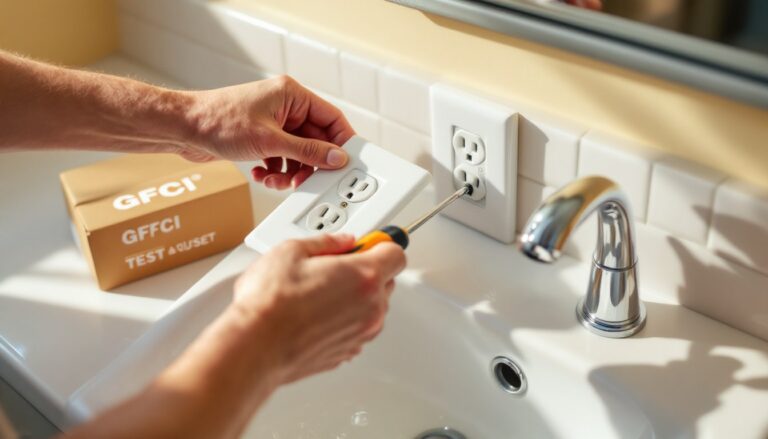

In the bustling world of maintenance, keeping everything running smoothly can feel like herding cats. That’s where a maintenance audit checklist swoops in like a superhero, ready to save the day. It’s not just a list; it’s a game-changer that ensures every bolt is tightened and every light bulb is shining bright.
Table of Contents
ToggleImportance Of A Maintenance Audit Checklist
A maintenance audit checklist serves as a crucial resource for ensuring operational efficiency. It helps identify maintenance needs, prioritizing tasks effectively. Regular audits minimize equipment downtime, enhancing productivity across facilities.
Teams can standardize maintenance processes using this checklist, fostering consistency. Each item on the list addresses specific tasks, from inspections to repairs. This systematic approach reduces the risk of overlooking critical maintenance activities.
Additionally, a maintenance audit checklist promotes safety in the workplace. By ensuring equipment functions correctly, it mitigates hazards, protecting employees and assets. Compliance with regulations becomes easier, as thorough documentation of maintenance activities is vital for audits.
Utilizing data from the checklist supports decision-making. Managers gain insight into maintenance trends and areas requiring attention. Tracking historical data allows for informed budgeting and resource allocation.
Implementing a maintenance audit checklist leads to cost savings. Regular upkeep prevents costly breakdowns and extends equipment lifespan. Investing in preventive measures reduces the need for expensive emergency repairs.
This checklist is more than a simple tool; it’s a strategy that enhances operational reliability, safety, and efficiency. Moreover, fostering a culture of proactive maintenance ensures long-term success for any organization.
Key Components Of A Maintenance Audit Checklist
A maintenance audit checklist consists of essential components that ensure thorough evaluations of maintenance practices. Understanding each part enables organizations to maintain equipment effectively.
Equipment Assessment
Equipment assessment involves a detailed inspection to ensure all machinery operates optimally. Auditors evaluate functionality, identifying wear and tear or malfunctioning parts. They might check for lubrication levels, hose integrity, and operational efficiency. Prioritization of maintenance tasks arises from this assessment, guiding teams toward immediate repairs. Regular evaluations capture trends in equipment performance, supporting long-term reliability.
Compliance Standards
Compliance standards ensure maintenance activities meet industry regulations and guidelines. Auditors assess adherence to safety regulations, inspecting safety guards and emergency shut-off switches. Meeting these standards minimizes legal risks and enhances workplace safety. Documentation of compliance helps track adherence and facilitates audits by regulatory bodies. Emphasizing compliance fosters an environment of accountability, promoting responsible maintenance practices.
Documentation Review
Documentation review focuses on verifying the accuracy of maintenance records. Auditors analyze service histories, identifying patterns in repairs and replacements. Establishing consistent documentation practices supports informed decision-making and resource allocation. Discrepancies in records may signal maintenance issues needing urgent attention. Thorough reviews ensure transparency and accountability, reinforcing the integrity of maintenance processes.
Steps To Create A Maintenance Audit Checklist
Creating a maintenance audit checklist involves a systematic approach to ensuring that all necessary tasks are addressed efficiently. Proper planning is crucial for optimal results.
Identifying Objectives
Defining clear objectives is the first step in constructing a maintenance audit checklist. Objectives should align with organizational goals, such as improving equipment reliability or enhancing workplace safety. Personnel must consider which areas require focus, including preventative maintenance or compliance with industry standards. Setting measurable outcomes allows teams to evaluate the checklist effectiveness. Involving all stakeholders during this phase promotes shared ownership of maintenance goals. Prioritizing objectives leads to a focused approach, ensuring that critical needs are addressed first.
Gathering Relevant Information
Collecting the necessary information forms the backbone of an effective maintenance audit checklist. Teams should review past maintenance records to identify recurring issues, patterns, or items requiring immediate attention. Engaging with technicians offers insights about equipment performance and potential improvements. Regulations and standards from governing bodies must also be considered, ensuring compliance throughout the audit. Additionally, gathering input from team members fosters a collaborative environment and enhances the checklist’s comprehensiveness. Utilizing this information highlights best practices and reinforces the efficiency of the maintenance process.
Best Practices For Using A Maintenance Audit Checklist
Maintaining an effective maintenance audit checklist involves adhering to best practices that ensure ongoing reliability and efficiency.
Regular Updates
Regular updates of the maintenance audit checklist improve its relevance and effectiveness. Revising the checklist allows for adjustments based on changing equipment needs and operational conditions. Incorporating feedback from recent audits highlights areas for improvement, making the checklist more comprehensive. Catastrophic equipment failures are less likely when preventive measures are consistently applied. Establishing a review schedule ensures that updates occur on a routine basis, ideally every six months. Consistency in maintenance practices aids in long-term equipment management and operational efficiency.
Involving Team Members
Involving team members fosters a strong sense of ownership and accountability in the maintenance process. Encouraging input from technicians and operators provides valuable insights into equipment performance and potential issues. Engaging everyone during the checklist creation process enhances its practicality and usability. Teams that collaborate on maintenance goals are often more committed to executing them. Training sessions on the checklist application promote understanding and adherence to best practices. Regular team meetings to review checklist outcomes build a culture of proactive maintenance and collective responsibility.
A maintenance audit checklist serves as a vital instrument for organizations aiming to enhance their operational efficiency and safety. By systematically addressing maintenance tasks and ensuring compliance with regulations, it minimizes downtime and promotes a proactive maintenance culture. Regular updates and team involvement not only keep the checklist relevant but also foster accountability among staff.
As organizations embrace this tool, they can expect improved equipment reliability and significant cost savings over time. Ultimately, the maintenance audit checklist becomes an essential part of a strategic approach to effective equipment management, paving the way for long-term success and sustainability in operations.