
Planning a bathroom remodel in Minneapolis doesn’t have to drain your wallet or leave you guessing about where to start. Whether you’re refreshing a guest bath or overhauling your master suite, a bathroom remodel Minneapolis project requires careful planning, realistic budgeting, and honest decisions about what you’ll tackle yourself versus what demands a professional’s touch. This guide walks you through the essentials: understanding local costs, choosing fixtures wisely, finding trustworthy contractors, and knowing which tasks are genuinely DIY-friendly. If you’re eyeing a mn bathroom remodel, you’ll find this roadmap cuts through the noise and gets straight to what matters, creating a functional, updated space without overspending or delaying your timeline indefinitely.
Table of Contents
ToggleKey Takeaways
- A bathroom remodel Minneapolis project typically costs $8,000–$15,000 for mid-range upgrades, with labor rates running 10–15% higher in the Twin Cities than rural Minnesota due to contractor overhead and regional demand.
- Prioritize investments in durable fixtures like quality vanities ($400–$1,000), porcelain or ceramic toilets ($300–$500), and proper ventilation (120–150 CFM exhaust fans) that directly impact daily function and longevity.
- Spring and fall offer steady pricing and faster timelines, while winter projects may see contractor discounts but slower material delivery and inspections in Minnesota’s cold climate.
- Hire licensed professionals for plumbing, electrical work, and complex tile installations to ensure code compliance and prevent costly water damage; tackle demolition, painting, and basic DIY tasks to save labor costs.
- Minnesota requires building permits for most bathroom remodel projects involving plumbing relocation, electrical upgrades, or replacing more than 25% of wall or floor area, with permits costing $100–$300 and adding 1–2 weeks to your timeline.
- Vet contractors thoroughly by requesting written estimates from at least three, verifying Minnesota Construction License Board certification, checking Better Business Bureau reviews, and calling references to confirm on-time completion and transparent costs.
Understanding Your Bathroom Remodel Budget
Why Minneapolis Bathroom Costs Vary
Bathroom remodeling costs in Minneapolis fluctuate based on several real-world factors. Labor rates in the Twin Cities area tend to run 10–15% higher than rural Minnesota, partly due to higher contractor overhead and regional demand. Material availability also matters: shipping heavy fixtures like cast-iron tubs or stone vanity tops across winter roads can add weeks and expense compared to summer projects.
A mid-range bathroom remodel in Minneapolis typically runs $8,000–$15,000, while a full gut-and-rebuild with custom tile work, new plumbing, and structural changes can exceed $30,000. The difference isn’t just tile choice, it’s whether you’re replacing subflooring, moving supply lines, upgrading electrical circuits for new lighting or heated floors, or keeping the existing footprint intact.
Season matters too. Winter projects (November through March) sometimes see contractor discounts, but material delivery and inspections slow down in Minnesota’s cold. Spring and fall bring steady pricing and faster timelines. Spring is peak season for bathroom remodels across the region, so expect fewer contractor availabilities and slightly higher bids if you’re scheduling April through June.
Build a contingency of 10–15% into your total budget. Bathrooms often reveal surprises, soft subflooring hidden under old tile, undersized water supply lines, or ductwork in the way of a planned layout, and having a cushion prevents stalling mid-project.
Essential Fixtures and Materials to Prioritize
Not every upgrade delivers equal return on investment. Focus your dollars on fixtures that see daily use and influence the bathroom’s function and feel. A ceramic or porcelain toilet (around $300–$500) outperforms budget models by lasting 15+ years with fewer repairs: soft-close seats add comfort without breaking the budget.
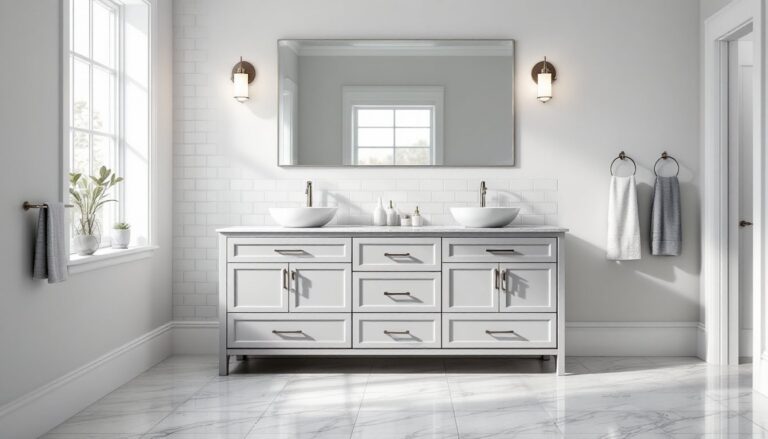
Vanity and sink choice shapes both aesthetics and longevity. A 36-inch or 48-inch solid wood or plywood vanity cabinet ($400–$1,000) with a cultured marble, quartz, or solid surface top ($200–$600) balances durability and cost better than a thin particleboard unit that warps after five years of bathroom humidity. Pair it with a single-handle faucet in brushed nickel or matte black ($80–$200) that won’t show water spots as readily as polished chrome.
Tiling is where a bathroom remodel Minnesota project either sings or strains your budget. Natural stone (marble, slate) runs $8–$15 per square foot installed: porcelain tile mimics stone at $4–$8 per square foot and resists moisture better. For shower surrounds, large-format tiles (24×48 inches or larger) reduce grout lines and simplify cleaning, a smart choice if you’re not chasing a minimalist look.
Lighting and ventilation deserve attention even if they feel invisible. A 120 or 150 CFM exhaust fan ($50–$150) with humidity sensor keeps mildew at bay: undersized fans are false economy. Pair it with LED recessed or vanity lights ($30–$80 each) that won’t generate heat in a moisture-heavy space.
Skip trendy accent walls or wallpaper in bathrooms: they peel and mold. Stick with quality paint (semi-gloss or satin finish) or tile.
Finding the Right Contractor in Minneapolis
Not all contractors are equal, and a bad hire derails timelines and budgets faster than any material choice. Start by asking friends and neighbors in the Twin Cities for referrals, word-of-mouth remains the most reliable filter. Then verify credentials: a licensed contractor (required in Minnesota for projects over $1,000) should carry Minnesota Construction License Board certification and provide proof of liability insurance and workers’ compensation.
Check online reviews on top-rated bathroom remodel professionals in Minneapolis and cross-reference with the Better Business Bureau. Avoid contractors who demand full payment upfront: standard practice is a deposit (usually 25–33% of the total), progress payments as work stages complete, and a final payment when you’ve inspected and approved the finish.
Request written estimates from at least three contractors, and don’t just compare totals, scrutinize what’s included. One bid might cover drywall and tile but not plumbing, leaving you on the hook for $2,000 extra. Ask for a detailed scope of work (What’s the project timeline? Who pulls permits? What happens if unforeseen structural issues arise?) and a payment schedule tied to milestones, not arbitrary dates.
Personality matters more than you’d think. You’ll interact with this person 5–7 days a week for 3–8 weeks. A contractor who listens to your concerns, explains decisions clearly, and respects your home is worth a few percentage points premium over a low-ball bid from someone evasive or dismissive.
Don’t skip the reference check. Call previous clients and ask: “Did they finish on time? Were there surprise costs? Would you hire them again?”
Popular Bathroom Styles for 2026
Bathroom design trends in 2026 lean toward timeless functionality over fleeting aesthetics. Transitional style, a blend of traditional and modern, remains popular in Minneapolis homes. Think clean-lined cabinetry in white or soft gray paired with subway tile, warm brass or matte-black hardware, and a mix of natural wood accents and stone. It won’t feel dated in five years and appeals to future buyers.
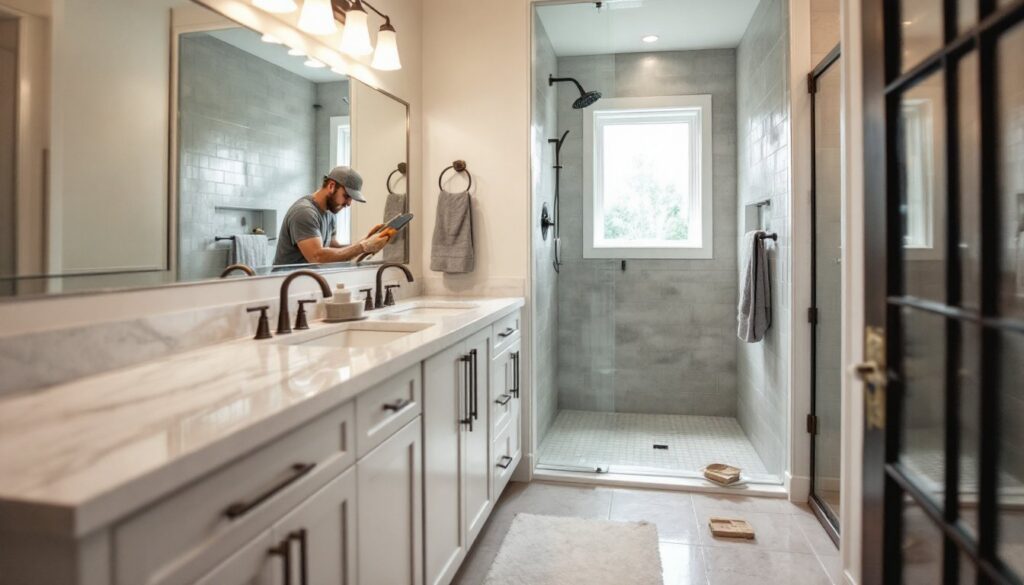
Spa-like bathrooms continue gaining traction. Large-format porcelain tile (especially soft grays, whites, or warm beiges), a frameless glass shower enclosure, floating vanities, and indirect LED lighting create calm without excessive cost. A rainfall showerhead ($60–$200) and heated towel rack ($150–$400) add luxury touch-points that cost less than a total layout redesign.
Minimalist design, fewer but higher-quality pieces, lots of open space, muted color palettes, suits both small powder rooms and sprawling master baths. Wall-mounted vanities and toilets save visual clutter and simplify cleaning, though they require solid backing and proper plumbing planning.
McGill’s wood tones are staging a comeback too. A single accent wall of shiplap or board-and-batten (if sealed for moisture) or warm wood-look tile brings texture and coziness. Pair it with crisp white or light gray walls to avoid a dated cabin feel.
Color-wise, grays, warm whites, soft greens, and muted blues work better than bold jewel tones or all-white clinical spaces. One accent tile or a colored vanity works: whole rooms in trendy colors risk looking stale in 18 months.
For inspiration on styles and layouts, Houzz’s home design platform offers thousands of real Minnesota bathroom photos sorted by style, size, and budget, better than Pinterest for grounding ideas in actual (not staged) homes.
DIY Elements vs. Professional Installation
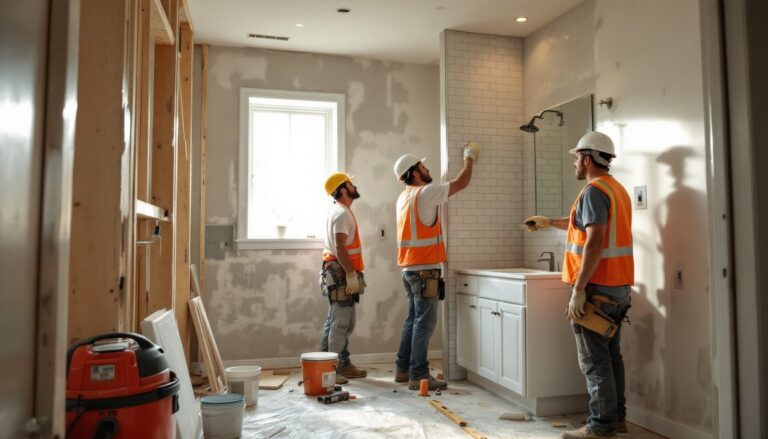
You can tackle some tasks safely: others genuinely require a licensed pro. Save money by doing demolition, painting, simple tile work, and basic fixture installation. Blow out the old toilet, rip out wall tile, and cart it away, this is low-skill, high-labor work that contractors charge for heavily. Painting walls and ceilings (using mold-resistant primer and semi-gloss or satin paint) is straightforward if you prep surfaces properly.
Basic tile work on walls or small floor patches is learnable. Lay out tiles dry first, use a notched trowel (size depends on tile dimension) to apply thin-set mortar, grout lines after cure time, and seal grout on floor tiles. Small mistakes are forgiving in a guest bath: save full bathroom floors for a pro if precision matters.
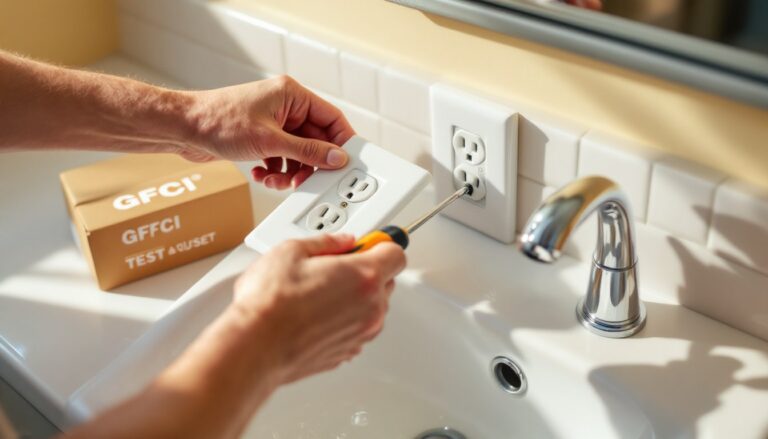
Hire professionals for plumbing and electrical work. Moving supply lines, installing new drains, and upgrading vent stacks require permits and code compliance. A sloppy drain installation causes water damage that costs thousands to remediate. Similarly, new circuits, GFCI-protected outlets, and exhaust fan ductwork should meet code, mistakes are fire and shock hazards.
Drywall repair and hanging, especially around shower areas, demands attention. Moisture-resistant drywall (greenboard) works, but a proper tile-and-waterproofing membrane system is the standard. If you’re not confident, let a pro handle it.
Fixture installation (toilet, vanity, faucet) falls between. A toilet bolts down simply: faucet installation varies by type. A vanity sitting on the floor is DIY-friendly: wall-mounted vanities need solid backing and precise bracket installation. Shower and tub surrounds vary wildly, a basic alcove tub might be a weekend project, while a custom tile shower with bench and niches takes weeks and demands experience.
Be honest about your skill and the stakes. A paint mistake costs $30 and a weekend: a plumbing mistake costs $3,000 and months.
Permits and Timeline Expectations
Minnesota requires building permits for most bathroom remodels, particularly if you’re moving plumbing, adding electrical circuits, or replacing more than 25% of wall or floor area. Minneapolis construction code follows the International Residential Code (IRC) with local amendments. A bathroom remodel Minnesota project involving structural changes or new windows definitely needs a permit: cosmetic updates (paint, vanity swap without plumbing relocation, retiling existing walls) sometimes don’t, but check with the city before assuming.
Permits cost $100–$300 in Minneapolis depending on scope. Building inspectors will review plans and conduct rough-in inspections (after framing and plumbing are in place but before drywall) and final inspections. Adding a week or two to your timeline for inspections and any required corrections keeps you legal and protects your home’s resale value.
Timeline varies wildly. A cosmetic refresh, new vanity, paint, hardware, takes 1–2 weeks if a single person works part-time. A full remodel with new plumbing, framing, and tile averages 4–8 weeks for a single-bath project, longer if surprises emerge. Wet environments (shower or tub replacement) tack on time because materials and grout require cure time between stages.
Contractors often quote 3–6 weeks for a complete bathroom overhaul: add 1–2 weeks if permits stall or structural issues arise. Winter projects sometimes slow due to material delivery delays and subcontractor scheduling quirks in Minneapolis.
Build a buffer into your timeline. Shower and tile work especially suffer from rushing, wet grout and impatient shortcuts cause leaks and mold years later. A professional uses expert contractor recommendations and home improvement advice to plan realistic sequences and cure times. If you’re DIYing portions, respect material cure times even if it extends your schedule.
Moving Forward with Confidence
A bathroom remodel Minneapolis doesn’t require choosing between budget and quality. Prioritize essentials, fixtures, waterproofing, ventilation, and permits, and resist the urge to chase every trend. Vet contractors carefully, get detailed estimates, and be realistic about which tasks suit DIY effort. Respect timelines, especially for moisture-sensitive work, and build contingency into your budget and schedule. Done thoughtfully, your mn bathroom remodel becomes a space you genuinely enjoy using every day, and an investment that pays back when you sell.