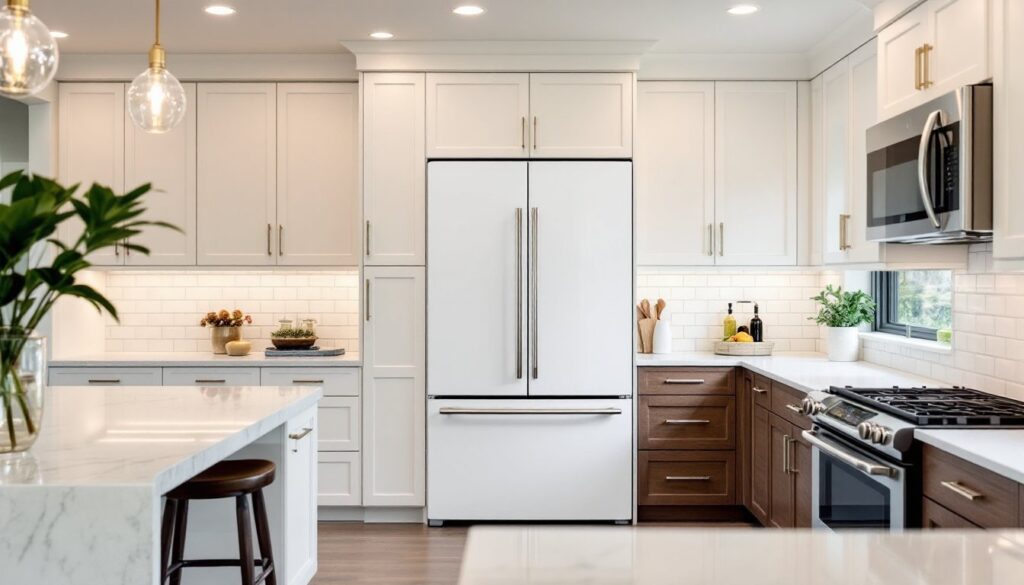

If you’re planning a kitchen renovation, a panel ready refrigerator might be one of the smartest choices you make. Unlike standard appliances that stick out like a sore thumb, a Bosch panel ready refrigerator integrates seamlessly into your cabinetry, creating a sleek, unified look that transforms your entire space. This guide walks you through what makes these units special, why homeowners are choosing them, and exactly how to select and install one in your kitchen.
Table of Contents
ToggleKey Takeaways
- A Bosch panel ready refrigerator integrates seamlessly into your cabinetry by using custom panels that match your kitchen design, creating a cohesive look that standard appliances cannot achieve.
- Panel ready refrigerators are pre-engineered for cabinetry integration with optimized frame depth, handle cutouts, and mounting points, ensuring consistent panel alignment and flush-mount door lines without gaps.
- Homeowners choose Bosch panel ready models for aesthetic appeal and long-term resale value, as a professionally integrated fridge signals quality design and can increase perceived home value during resale.
- Proper installation of a panel ready refrigerator requires professional help to ensure seamless panel mounting, electrical connection, and airflow clearance, with total installation costs typically running $2,000–$5,000 above the appliance price.
- Panel ready refrigerators hold design relevance longer than standard stainless steel models since updated cabinetry panels allow the appliance to evolve with kitchen trends without full replacement.
What Makes a Panel Ready Refrigerator Different
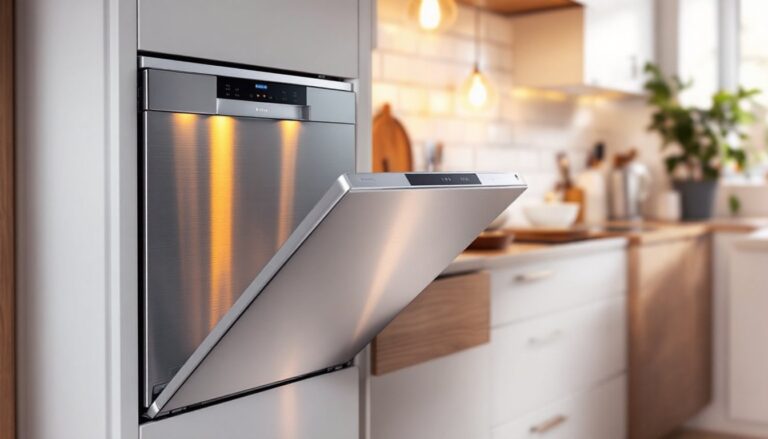
A panel ready refrigerator is built without a finished front panel or door covering. Instead, you attach custom cabinetry panels, wood, veneer, or any finish matching your kitchen, directly to the fridge’s frame. The doors and front face become invisible, blending the refrigerator into your cabinetry as though it’s just another run of cabinets.
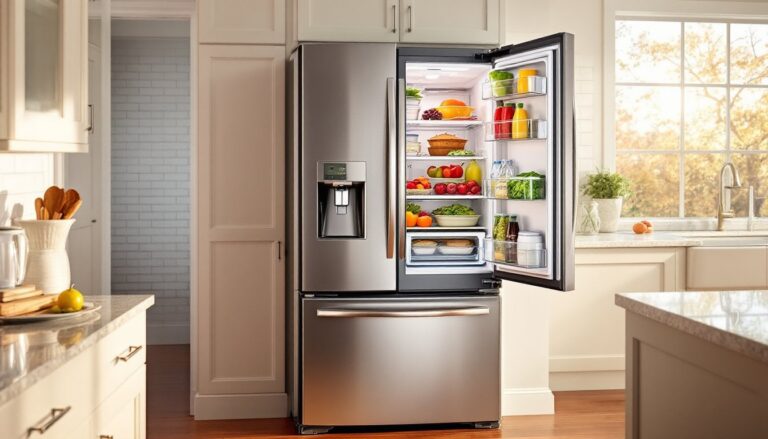
This differs fundamentally from a standard refrigerator, which arrives with a painted or stainless steel exterior meant to stand alone. Standard models are designed to be freestanding appliances: they look intentionally different from surrounding cabinets. Panel ready models, by contrast, expect to disappear into the design.
Bosch panel ready refrigerators come pre-engineered for this integration. The frame depth, handle cutouts, and mounting points are optimized for cabinet panels. You’re not jury-rigging a standard fridge with plywood: you’re working with an appliance designed from the ground up for cabinetry integration. The internal capacity and cooling performance remain identical to comparable Bosch models, you’re paying for the engineering and flexibility, not sacrificing function for looks.
Why Homeowners Choose Bosch Panel Ready Models
Homeowners pick Bosch panel ready refrigerators for two primary reasons: aesthetics and long-term value. Understanding both helps you decide if this investment makes sense for your kitchen.
Seamless Kitchen Aesthetics
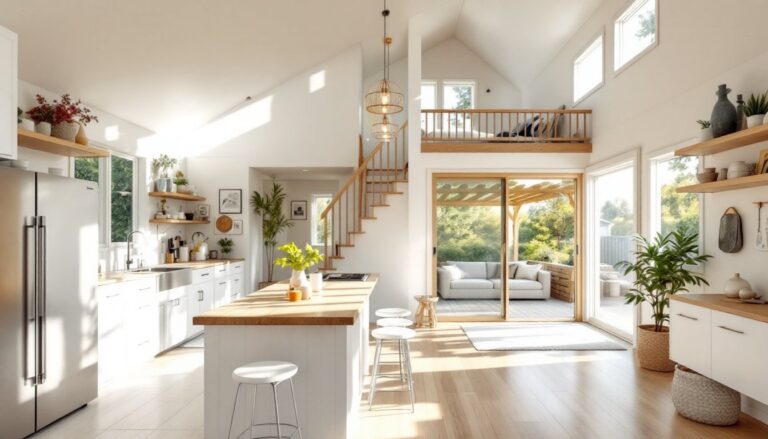
The visual payoff is immediate. When you finish a kitchen renovation, you don’t want your appliances screaming for attention. A panel ready fridge allows your cabinetry design, whether modern flat-panel, traditional raised-panel, or custom stain, to flow uninterrupted across the wall. The kitchen reads as a cohesive whole rather than a collection of separate pieces.
This is especially powerful in smaller kitchens or open-concept layouts where appliances are highly visible. A standard stainless steel fridge can dominate a 10-by-12-foot kitchen: a panel ready model recedes into the background. Designers frequently recommend this approach when working with custom or high-end cabinetry, because the refrigerator no longer competes visually with the rest of the design.
Bosch’s engineering also means you’ll have consistent panel alignment and flush-mount door lines, not gaps or misalignments that betray the installation. The fit quality matters more than most homeowners expect: poor integration telegraphs a budget renovation.
Long-Term Value and Resale Appeal
A thoughtfully finished kitchen with cohesive appliances consistently ranks as one of the highest-return home improvements. When potential buyers walk through a kitchen where the refrigerator blends seamlessly into the cabinetry, they perceive quality and intentional design. A standard appliance sitting in front of custom cabinets reads as an afterthought: a properly integrated panel ready fridge signals a complete, professional renovation.
Bosch refrigerators also carry a reputation for reliability and longevity. Their compressors and cooling systems are engineered for durability, which matters when you’re sinking $15,000–$25,000+ into a kitchen overhaul. You want an appliance that’ll still be running smoothly ten years later. If you’re betting on resale value, a kitchen with a proven-reliable integrated fridge is a safer bet than a bargain-basement option that might fail in year five.
It’s also worth noting that panel ready refrigerators hold their design relevance longer. A stainless steel fridge from 2015 can look dated by 2026: a panel ready unit with updated cabinetry panels can evolve with kitchen trends without replacing the entire appliance.
How to Select and Install Your Bosch Panel Ready Refrigerator
Selecting a panel ready fridge isn’t complicated, but it requires forethought on a few fronts: capacity, configuration, and installation logistics.
Measure your opening first. Panel ready refrigerators come in standard widths, typically 36 inches for full-size units, though 30-inch models are also available. The height and depth must match your cabinet opening. Nominal dimensions (the stated size) differ from actual (the real measurement), so pull out your tape measure and verify the rough opening in your kitchen before selecting a model. Standard panel ready fridges are about 24.5 inches deep internally, accounting for the compressor and door swing.
Choose your configuration. Bosch offers French-door and side-by-side layouts. French doors are more efficient, they require less clearance and keep cold air inside better when opened partially. Side-by-side models split the fridge and freezer vertically, which some homeowners prefer for ergonomics. Neither is objectively superior: it depends on your workflow and family size.
Verify appliance delivery and placement. Panel ready refrigerators are heavy and fragile. Confirm your flooring can handle the weight, and ensure the delivery crew can navigate it through your kitchen without damaging doorways or walls. If your kitchen is upstairs or through narrow passages, you may need to remove the doors temporarily during installation, ask the delivery team beforehand.
Plan your cabinet panels. You’ll need to order cabinet panels cut to fit the fridge’s frame. This is typically done by your kitchen designer or cabinet shop using the appliance’s exact specifications. Panels are usually 3/4-inch plywood or MDF faced with your chosen veneer or finish. This isn’t a DIY woodworking project unless you have serious cabinet-building chops.
Installation: when to call a pro. Cabinet panel installation and electrical connection should be handled by someone experienced with panel ready appliances. Improper panel mounting can interfere with door clearance or compressor airflow. Electrical connection requires a dedicated circuit breaker (standard is a 20-amp circuit) and proper grounding. If you’re uncomfortable with either task, hire a contractor who’s installed panel ready refrigerators before.
Recent reviews of built-in refrigerators highlight the importance of professional installation for seamless fit and performance. Bosch panel ready models specifically benefit from careful alignment and panel finishing.
Budget for ancillary work. Beyond the refrigerator itself, you’ll spend on cabinet panels, installation labor, electrical work, and possibly modifications to your existing cabinetry. Total cost often runs $2,000–$5,000 above the refrigerator’s sticker price. Factor this in before committing.
Allow for acclimation. If your new fridge arrives during winter or a cold day, let it sit in your kitchen at room temperature for 4–6 hours before plugging in. Cold components introduced to warm rooms can accumulate condensation internally, damaging wiring. Check the manual for manufacturer guidance specific to your model.
Sources like The Kitchn and Remodelista showcase kitchens where panel ready refrigerators are integrated thoughtfully, offering design inspiration and real-world examples of successful installations.
Conclusion
A Bosch panel ready refrigerator is a strategic investment for homeowners committed to a polished, integrated kitchen design. The upfront cost is higher, and installation demands planning, but the visual payoff and long-term resale appeal justify the expense for many renovations. If you’re replacing outdated cabinetry or building a kitchen from scratch, a panel ready model transforms the space into something cohesive and intentional, exactly what separates a truly finished kitchen from one that merely functions.