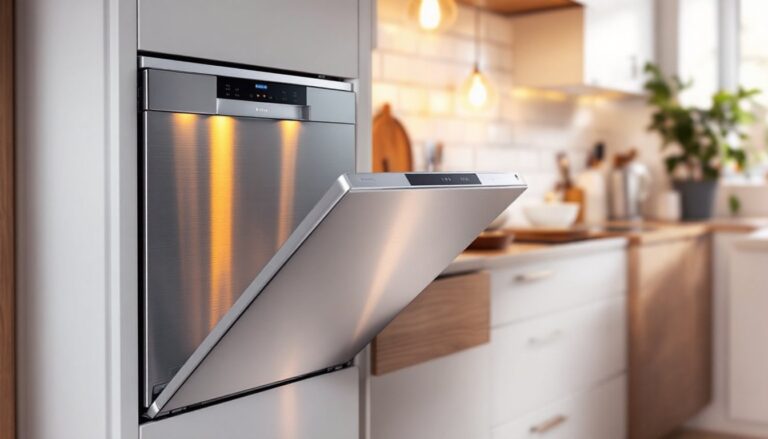

Water pooling at the bottom of the dishwasher is never a good sign. When an Amana dishwasher isn’t draining properly, panic isn’t necessary, most clogs and blockages are fixable without a service call. Before reaching for the phone, there are several straightforward checks a homeowner can perform using basic tools. Many drainage problems stem from simple issues: a clogged filter, a kinked hose, or food debris stuck in the pump. This guide walks through the most common culprits and how to clear them, saving you both money and time.
Table of Contents
ToggleKey Takeaways
- Most Amana dishwasher drainage issues stem from simple problems like clogged filters, kinked hoses, or debris in the pump that can be fixed without a service call.
- Start troubleshooting an Amana dishwasher not draining by cleaning the removable drain filter at the bottom of the tub and inspecting the drain sump for trapped food or debris.
- Inspect the drain hose for kinks, straighten any bends, disconnect it, and flush it with warm water or a plumbing snake to remove sediment and mineral buildup.
- Check the drain pump impeller for stuck debris like glass or plastic, and verify the drain valve is operating by testing its manual override or applying vinegar to dissolve mineral deposits.
- If your kitchen sink drains slowly or gurgles, the problem may not be the dishwasher—clear the sink drain or disposal and ensure the dishwasher drain hose loops high enough to prevent siphoning.
- Call a professional technician if water still pools after cleaning the filter, hose, pump, and drain valve, or if you notice leaks from the dishwasher body or electrical issues.
Check the Drain Filter and Strainer
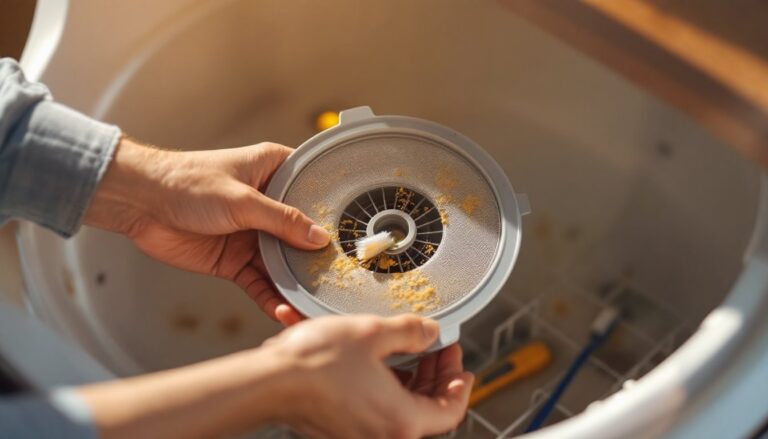
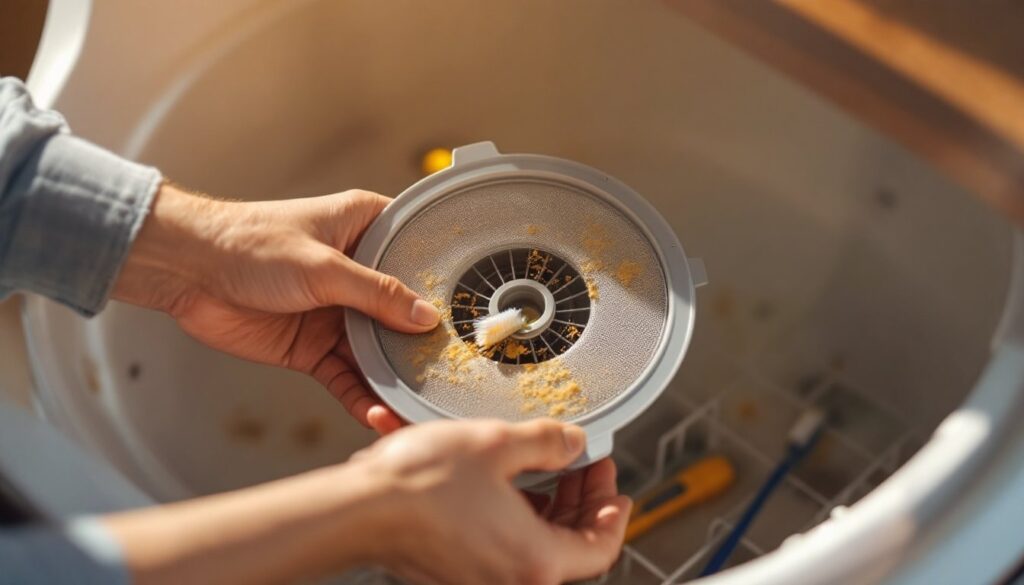
The drain filter is usually the first place to look. Most Amana dishwashers have a removable filter basket located at the bottom of the tub, typically in the center or toward the back. This strainer catches food particles and debris before they reach the pump.
Start by removing the lower rack to access the filter. You’ll likely see a cylindrical or cup-shaped component with a fine mesh screen. Unscrew or release the locking tabs (design varies by model) and pull it straight up. Rinse it under warm running water, using a soft brush or old toothbrush to gently scrub away buildup. Don’t skip this step, hardened soap residue and grease can create a surprisingly effective barrier.
While the filter is out, inspect the drain sump (the area directly beneath where the filter sits). Use a flashlight and look for bits of food, broken glass, or plastic lodged in that cavity. A straightened wire coat hanger or a plastic drain snake works well for fishing out debris. Avoid metal scrapers that could scratch the tub.
If the filter itself is damaged, cracked, or won’t seat properly after cleaning, replacement filters are inexpensive and widely available. Reinstall the filter firmly, a loose seal defeats the whole system. Many drainage failures come directly from a poorly seated or missing filter, so don’t overlook this step.
Inspect the Drain Hose for Kinks and Blockages
The drain hose is a rubber or plastic tube that carries water from the dishwasher to your kitchen sink’s drain or garbage disposal. Over time, it can twist, kink, or collect sediment inside, restricting flow.
Locate the hose, it typically exits the bottom of the dishwasher’s control panel area and runs under the countertop to the sink. Don’t just glance: physically trace it with your hand and look for sharp bends. Dishwashers that have been pushed back against the wall sometimes develop a hidden kink where you can’t see it. If you find one, gently straighten the hose by hand. Applying heat (with a warm hair dryer) to a stubborn kink can help plastic hoses relax.
Next, disconnect the hose from both the dishwasher and the sink drain. You may need a wrench or adjustable pliers to loosen the hose clamps. Have a bucket or towels ready, residual water will spill. Hold the hose up to a bright light and look through it. If it’s blocked with sediment or mineral buildup, flush it thoroughly with warm water from a garden hose or kitchen faucet.
For stubborn blockages, a drain cleaning rod or plumbing snake pushed through the hose works well. Avoid high-pressure washers, which can damage the hose interior. Once clear, reattach securely. Loose hose connections can cause water to leak into cabinets, so tighten those clamps firmly.
Clear the Drain Pump and Impeller
The drain pump sits at the bottom of the dishwasher and uses a spinning impeller to force water out. If the pump is clogged or the impeller is stuck, water won’t move. This is trickier than cleaning a filter but still within reach for a determined DIYer.
First, ensure the dishwasher is empty and the power is off at the breaker. Remove the lower spray arm by twisting it counterclockwise (it usually pulls straight down). Then remove the filter and strainer as described above. Look directly at the pump housing, it’s typically a dark plastic or metal component in the center of the tub bottom.
Some Amana models allow you to access the pump impeller from above without full disassembly. If you see screws or bolts holding the pump cover, carefully remove them and inspect the impeller for visible debris. Often, a small piece of glass, bone, or plastic wrap has wound around the propeller blades. Use needlenose pliers or tweezers to remove it. Do this gently: the impeller can be fragile.
If you can’t reach the pump from the top, you may need to remove the pump assembly itself. This typically requires removing panels under the dishwasher from beneath the counter. Consult your Amana model’s manual for the exact location and fastening method. Once the pump is accessible, the same principle applies: check for blockages and clear them. If the pump is cracked, burned, or the impeller won’t spin at all, it likely needs professional replacement.
Verify the Drain Valve Is Operating Correctly
The drain valve controls when water exits the dishwasher. It’s an electrically operated solenoid that opens near the end of the cycle. If it sticks or fails, water stays trapped. Testing this requires a bit more electrical confidence, but you can do it safely.
With the power off, locate the drain valve, it’s usually near where the drain hose connects to the dishwasher body. It’s a small cylindrical component with an electrical connector (a clip-on plug with two wires). Gently wiggle or tap it with a soft-faced mallet. Sometimes a valve stuck by mineral deposits will free up with a light jolt.
Next, access the manual override if your model has one. Some drain valves include a small lever or button that forces the valve open for testing. Check your manual for its location and operation. Press or move it and see if water drains: if it does, the valve mechanism itself may be sticky. Mineral deposits can be dissolved with a small amount of white vinegar poured or sprayed directly onto the valve opening. Let it soak for 15 minutes, then flush with warm water.
If tapping and vinegar don’t restore function, the solenoid coil may have failed. This requires replacement, which involves disconnecting the electrical connector and unbolting the old valve. A drain valve replacement is relatively straightforward, though you’ll need the correct part number for your Amana model. Many hardware stores and online retailers stock them affordably.
Check Your Kitchen Sink Drain Connection
Sometimes the problem isn’t in the dishwasher at all, it’s where the drain hose connects to the sink. The dishwasher drains through your kitchen sink’s plumbing, so a blocked sink drain will back water up into the dishwasher.
Run water in your sink and listen. Does it drain slowly or gurgle? If so, your main sink drain is the culprit, not the dishwasher. A common bottleneck is the disposal unit (if you have one). Food buildup inside the disposal can restrict the sink drain opening. Run the disposal while flushing warm water, or manually clear it with a plunger or drain snake.
Also check where the dishwasher drain hose connects. In many installations, the hose loops up and over the sink’s edge before dropping into the drain or disposal inlet. If that loop isn’t high enough (it should reach at least to the level of the sink rim), siphoning can occur, trapping water in the hose. Reposition the hose connection higher, or install a proper air gap fitting if your kitchen setup allows. An air gap is a small chrome cylinder installed on the countertop that prevents backflow and siphoning. If your municipality’s plumbing code requires an air gap and you don’t have one, adding it is a solid preventive measure. Finally, run a drain snake or use a plunger in the sink drain to clear any backup. Once the sink drains freely, the dishwasher should too.
When to Call a Professional
After working through these checks, your Amana dishwasher should drain properly. But some situations warrant a service technician.
If you’ve cleaned the filter, checked the hose, and verified the sink drain is clear, yet water still pools after a cycle, the pump motor may have failed or the control board may not be sending the drain signal. These repairs require professional diagnosis and are typically beyond safe DIY repair. Similarly, if you detect electrical burning smells, sparks, or the dishwasher suddenly runs constantly, stop using it and call a professional immediately.
Water leaking from the dishwasher body (not draining from the tub, but leaking from seams) also warrants professional attention, as it usually involves gasket replacement or internal component work. Many Amana dishwashers still carry decent warranties: if yours is relatively new, a service call costs far less than a replacement unit and preserves your warranty coverage.
Before scheduling a technician visit, document what you’ve tried. Tell them exactly which checks you performed and what you found. This information helps them avoid redundant troubleshooting and may even qualify you for a lower diagnostic fee. According to home improvement cost guides, dishwasher drain repairs typically range from $150 to $400, depending on the part and labor rates in your area, so having a professional diagnose a legitimate component failure is a smart choice.
Conclusion
An Amana dishwasher that won’t drain is frustrating, but most drainage issues are fixable at home with basic tools and patience. Start with the filter, move to the hose and pump, check the drain valve, and verify your sink drain is clear. These five steps address roughly 80% of drainage complaints without opening your wallet wide. If you’ve worked through all of them and water still sits stubbornly at the bottom, a professional technician is your next move. Either way, you’ve eliminated the easy fixes and narrowed down the problem, that’s half the battle won.