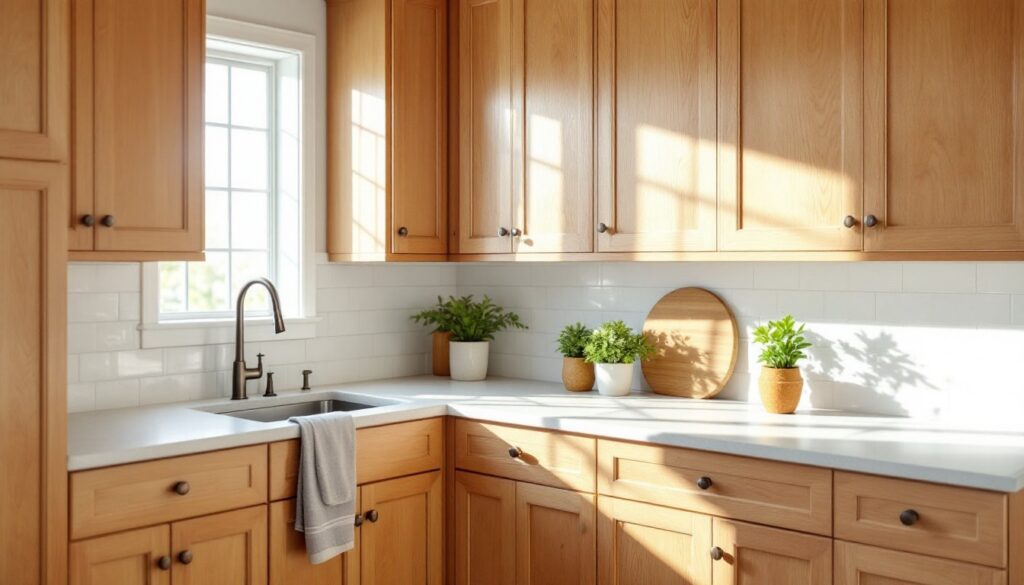

Alder kitchen cabinets have become a go-to choice for homeowners and DIY enthusiasts looking to balance natural wood warmth with practical durability. Unlike the harder maples or oaks that dominate high-end cabinetry, alder offers an approachable alternative, softer grain, lighter color, and a real wood feel without the premium price tag. Whether you’re considering a full kitchen overhaul or replacing cabinet doors, understanding what makes alder unique helps you make an well-informed choice. This guide walks you through the essentials: what sets alder apart, how it stacks up cost-wise, how to finish and maintain it, and which design styles make it sing.
Table of Contents
ToggleKey Takeaways
- Alder kitchen cabinets offer a smart balance of natural wood warmth and durability at 15–30% lower cost than maple or cherry, making them an accessible option for budget-conscious renovations.
- The wood’s soft grain machines cleanly for detailed joinery and accepts stain beautifully, but requires a solid topcoat finish refreshed every 5–7 years to prevent moisture damage and extend the lifespan to 15–20+ years.
- Knotty alder cabinet doors suit rustic and farmhouse styles, while clear alder pairs seamlessly with transitional, contemporary, and Shaker designs, offering flexibility across multiple kitchen aesthetics.
- Proper finishing prep—sanding to 180–220 grit and using a wood conditioner—prevents blotchy stain absorption on alder’s soft surface and ensures professional-looking results.
- Moisture management through proper ventilation and immediate spill cleanup is critical to alder cabinet longevity, as the wood swells and shrinks with humidity changes more readily than hardwoods.
- DIY finishing can save $1,500–$3,000 in labor, but underestimating the work leads to poor results; professional-grade finishes demand proper ventilation, technique discipline, and multiple coats.
What Makes Alder Wood Special for Kitchen Cabinets
Alder is a softwood that grows across North America, and it’s prized for cabinetry because it hits a sweet spot between workability and durability. The wood has a fine, relatively uniform grain with a light honey or pale amber color that accepts stain beautifully, whether you want to go darker or keep it natural. One key advantage: alder machines cleanly, so cabinet shops can cut intricate details, raised panels, and beaded edges without splintering, which keeps labor costs lower than harder woods.
That said, alder isn’t as hard as maple or oak. It’s more prone to dents and dings if you’re rough with it, not a dealbreaker, but worth knowing upfront. Many kitchen cabinet manufacturers, from budget-friendly lines to mid-tier options, offer alder as standard stock. You’ll find knotty alder kitchen cabinets for sale at custom shops and home centers, which feature natural knots that add character and visual interest. The knots aren’t defects: they’re part of alder’s charm. The wood also holds screws and fasteners well, making assembly and installation straightforward for DIY adjustments or modifications down the line.
Durability and Lifespan
When properly finished and maintained, alder cabinets typically last 15–20+ years in a busy kitchen. The limiting factor isn’t the wood itself but the finish: water damage, UV exposure, and kitchen humidity wear down paint and stain over time. Bare alder left unfinished will absorb moisture and swell, so a solid topcoat, polyurethane, conversion varnish, or lacquer, is non-negotiable. The finish does the heavy lifting: replace or refresh it every 5–7 years, and your cabinets stay solid. Compare this to hardwoods like hickory, which tolerate abuse better but cost significantly more upfront. If you’re realistic about maintaining the finish, alder delivers solid value.
Cost-Effectiveness Compared to Other Wood Options
Alder kitchen cabinets typically run 15–30% cheaper than maple or cherry cabinetry, and that gap widens as you move toward premium hardwoods like walnut. A basic 10×12-foot kitchen with alder cabinets from a semi-custom builder might land around $4,000–$7,000 (materials and install), whereas the same layout in maple could run $6,000–$10,000 or more. That savings is real money, especially if you’re managing a renovation budget.
But cost isn’t just the sticker price on the cabinet box. Labor for finishing varies: pre-finished alder cabinets cost more upfront but save time. Raw or unfinished alder requires on-site staining and sealing, which adds labor hours. If you’re a confident DIYer, finishing cabinets yourself can save $1,500–$3,000 in labor, but underestimate the work at your peril, professional finishes require proper ventilation, sanding discipline, and multiple coats. Soft-close hinges and drawer hardware also affect the final tab: don’t skimp on these, they’re the parts that fail first and annoy you daily.
When shopping for alder kitchen cabinets for sale, compare per-linear-foot pricing from multiple suppliers. Home centers and big-box retailers often bundle knotty alder with affordable hardware: custom shops offer more flexibility in design but charge accordingly. Factor in that alder’s lower initial cost lets you invest in better hardware, countertops, or backsplash instead.
Finishing and Staining Alder Cabinets
Alder’s light color and fine grain are ideal for staining, but the wood’s soft, absorbent nature demands prep discipline. Here’s the practical workflow:
Prep and Sanding
Start with cabinet boxes disassembled (doors and drawer fronts removed). Alder accepts stain unevenly if the surface is rough, so sand with 120–150 grit sandpaper first, then step up to 180–220 grit for a smooth base. Wipe everything down with a tack cloth to remove dust: any grit left behind ruins the finish.
Stain Selection and Application
Oil-based stains give richer, deeper color and longer open time (useful for amateurs). Water-based stains dry fast and are low-odor but require more skill to avoid streaking. Alder accepts both, though oil stain tends to show off grain better. Apply two coats, sanding lightly between coats with 220 grit. Let stain cure fully (24–48 hours, depending on type) before topcoating.
Topcoat Choices
Polyurethane (oil-based or water-based), lacquer, or conversion varnish all work. Polyurethane is most DIY-friendly: two coats, light sanding between, and you’re done. Lacquer dries faster but requires spray equipment and good ventilation. Conversion varnish (a two-part finish used by professionals) offers durability but isn’t beginner-friendly.
Pro tip: If color consistency matters, use a wood conditioner before stain on softwoods like alder, it prevents blotchiness. Minwax Prestain and similar products are standard and inexpensive.
Designs incorporating knotty alder kitchen cabinets showcase natural knots beautifully under clear or lightly tinted topcoats. If you prefer knot-free alder, specify “clear” or “select” grade when ordering: expect to pay a premium.
Design Styles That Work Best With Alder
Alder’s warm, neutral tone and soft grain work across several styles, though some pair more naturally than others.
Rustic and Farmhouse
Knotty alder cabinet doors fit farmhouse and cabin aesthetics perfectly. The knots add texture and visual weight, and a medium walnut or honey stain enhances the cozy vibe. Pair with open shelving, vintage hardware, and a farmhouse sink for full effect.
Transitional and Contemporary
Clear alder (knot-free) stained medium to dark works well in transitional kitchens that blend traditional and modern. Pair with flat-panel doors, sleek hardware, and quartz or white subway tile for balance. A natural finish showcases grain without feeling country-rustic.
Traditional and Shaker
Alder takes Shaker-style detailing, inset panels, simple rails and stiles, beautifully. A medium stain or even white paint (alder primes and paints cleanly) fits classic colonial or craftsman homes. Alder wood kitchen cabinets in traditional layouts feel warm without looking dated.
Painted Finishes
Alder’s fine grain paints smoothly, making it ideal if you prefer white, gray, or bold cabinet colors. The soft wood accepts paint without the grain telegraphing through (unlike oak). Two coats of quality cabinet paint plus a topcoat, and your cabinets look factory-finished.
Design inspiration abounds: platforms like Houzz feature user-shared pictures and discussions of wood kitchens that include alder examples across styles. Sources like Remodelista offer curated home product guides and design sourcebooks for kitchen and bathroom remodels, often featuring wood cabinet showcases.
Maintenance Tips to Keep Your Alder Cabinets Looking Fresh
Alder cabinets aren’t fussy, but simple habits extend their life dramatically.
Daily and Weekly Care
Wipe spills immediately with a soft, slightly damp cloth, don’t let water sit in gaps or seams. Use a mild dish soap solution for general cleaning. Avoid harsh chemicals and abrasive scouring pads, which damage finish and wood. For fingerprints on painted or varnished surfaces, a microfiber cloth does the job without residue.
Moisture Management
This is critical. Kitchens are humid: range hoods and exhaust fans limit water vapor around cabinets. Ensure your hood vents outside (not recirculating), and use ventilation during and after cooking. Alder swells and shrinks with humidity changes, so cabinetry in damp kitchens (poor ventilation, dishwasher steam) fails faster. If you notice cabinet doors sticking or gaps widening, humidity is likely the culprit, upgrade ventilation before finish repair.
Hardware and Hinges
Tighten hinges, knobs, and pulls semi-annually. Loose hardware strains cabinet frames and doors, leading to sagging or misalignment. Soft-close hinges reduce slamming and extend cabinet life, a worthwhile upgrade if yours are failing.
Finish Refresh
Every 5–7 years, assess the finish. Light surface scratches can be spot-sanded and retouched with matching stain and topcoat. Deeper damage or widespread wear calls for refinishing one cabinet run at a time (minimal disruption) or all at once during off-season. A quality finish refresh costs far less than replacement and can add another 15+ years of life.
Avoid Direct Sunlight
UV exposure fades stain and yellows topcoat over time. If your kitchen has west-facing windows above cabinets, consider light-filtering window treatments. This isn’t a deal-breaker, just awareness helps you manage appearance expectations. The Kitchn frequently discusses that include cabinet visibility and light management.
Conclusion
Alder kitchen cabinets deliver genuine value: affordability, workability, and natural beauty that doesn’t require a contractor’s income to achieve. From knotty alder cabinet doors that embrace rustic charm to clear alder that suits modern transitional homes, the wood flexes across styles. The real secret to long-term satisfaction isn’t the wood species, it’s respecting the finish, managing moisture, and maintaining hardware. Start with honest prep work, pick a stain or paint that fits your design, and commit to the maintenance rhythm. You’ll have cabinets that look intentional and age gracefully for two decades or more.