
A bar dishwasher might sound like a luxury appliance, but for homeowners who entertain regularly, it’s a practical game-changer. Whether you’re hosting a dinner party, mixing cocktails at a home bar, or simply tired of hand-washing glasses after gatherings, a bar dishwasher tackles the mess without occupying prime kitchen real estate. These compact units clean delicate stemware, mixing glasses, and barware more thoroughly than hand-washing allows, and they do it in a fraction of the time. This guide covers what a bar dishwasher is, how to install one, and how to pick the right model for your space.
Table of Contents
ToggleKey Takeaways
- A bar dishwasher is a compact, specialized unit designed to clean glassware and barware efficiently, making it ideal for frequent entertainers who want to avoid tedious hand-washing and save counter space.
- Bar dishwashers use less water and electricity than standard models while featuring delicate wash cycles and specialized racks to protect stemware, pint glasses, and cocktail shakers from chipping or damage.
- Installation options vary: countertop models are easiest to install yourself and portable, undercounter units require professional plumbing and building permits, while portable models offer mid-range flexibility and capacity.
- Essential maintenance includes rinsing debris before loading, running monthly cleaning cycles with dishwasher cleaner, checking spray arm holes for mineral buildup, and using rinse aid to prevent hard water spotting on glassware.
- When choosing a bar dishwasher, consider your entertaining frequency, budget ($400–$1,500 depending on type), energy efficiency ratings, noise levels (45 dB or quieter), and warranty coverage for reliable long-term performance.
What Is a Bar Dishwasher and Why You Need One
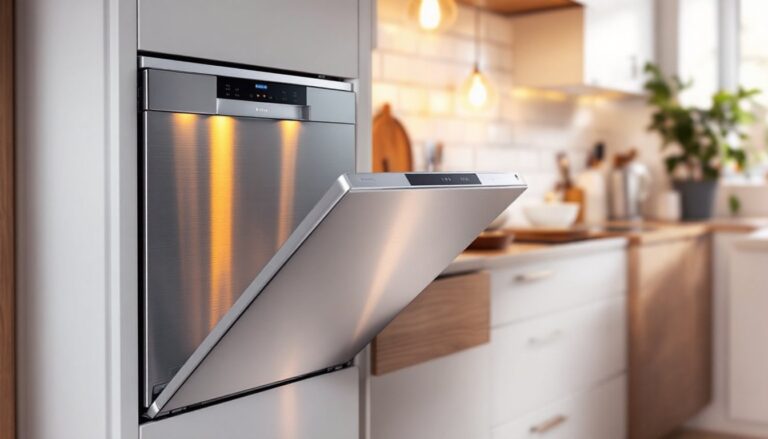
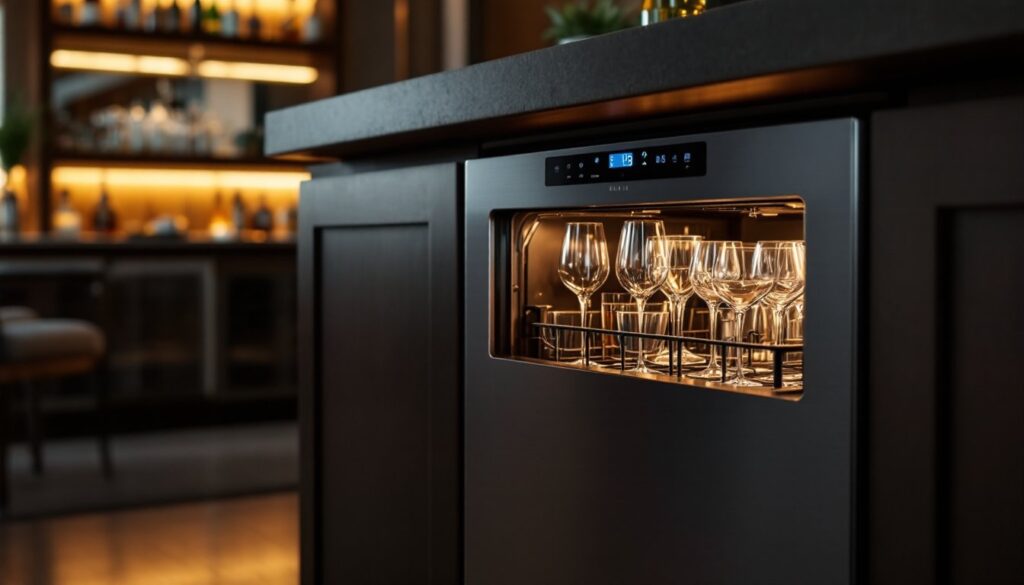
A bar dishwasher is a compact, specialized dishwasher designed to clean glassware, barware, and small quantities of dishes, ideal for entertaining spaces, home bars, or kitchenettes. Unlike full-size residential dishwashers, bar models measure roughly 15–18 inches wide and fit under counters, on countertops, or even in bar carts with plumbing connections.
These units are engineered with gentler wash cycles and specialized racks to handle delicate stemware, pint glasses, mixing spoons, and cocktail shakers without chipping or scratching. They use less water and electricity than standard dishwashers, making them energy-efficient for supplemental use. If you entertain frequently or run a home bar, a bar dishwasher eliminates the tedious hand-washing of dozens of glasses and saves counter space compared to air-drying racks. They’re also ideal for finished basements with wet bars, outdoor kitchens, or guest houses where a full kitchen isn’t practical.
A well-functioning dishwasher can be a game changer in any kitchen, but bar models shine in supporting entertaining and reducing post-party cleanup stress. They’re not a luxury, they’re a tool that pays for itself in time saved and glassware preserved.
Key Features and Benefits for Home Entertaining
Modern bar dishwashers pack smart features into a small footprint. Most include adjustable racks or fold-down tines to accommodate various glass shapes and sizes, from champagne flutes to rocks glasses. Look for models with multiple wash cycles, including a delicate setting and a quick-wash option for rinsing glasses between drinks.
Heat-dry functions are valuable if you’re hosting back-to-back events: they dry glasses faster than air-drying, so you’re not waiting for stemware to dry before serving dessert wine. Stainless steel interiors resist staining and odor buildup better than plastic, and they’re easier to wipe clean between cycles. Many current models feature whisper-quiet operation, an 45–50 dB range, so the unit won’t interrupt conversation during a dinner party.
Energy Star certification means the unit meets federal efficiency standards, reducing water and electricity consumption. Some models include soil sensors that adjust cycle length based on how dirty the load is, cutting water waste. Delayed-start functions let you run the dishwasher during off-peak utility hours, lowering operating costs over time. For entertaining, the ability to run a full cycle in 30–45 minutes matters: it keeps the workflow moving without downtime.
Installation and Space Considerations
Before buying, measure your available space carefully. A bar dishwasher needs 18–24 inches of clear width, 32–34 inches of height, and 24–26 inches of depth to fit snugly under a counter or bar. Check that plumbing is accessible, the unit needs a cold water inlet and a drain line. If plumbing isn’t nearby, an undercounter installation becomes costly, and a countertop or freestanding model may be smarter.
If you’re installing an undercounter model in an existing bar or kitchen, you may need to adjust cabinetry, run new water supply lines, and extend drain lines. This is where hiring a licensed plumber makes sense: improper connections cause leaks and mold. Building codes vary by jurisdiction (check your local IRC standards), but most areas don’t require a permit for a portable or countertop dishwasher. Undercounter installations, but, often do, especially if you’re opening cabinet walls or running new water lines.
Countertop models need only access to a sink faucet via a hose adapter: they’re the easiest to install yourself and can be moved if you renovate. The trade-off is they occupy counter or storage space and require manual water hookup each use.
Compact Models vs. Full-Size Options
Compact bar dishwashers (15–18 inches) hold 8–10 place settings and excel at glassware. Full-size portable dishwashers (24 inches) hold 12–14 place settings and handle larger loads, but they’re bulkier. For a dedicated home bar or entertaining space, compact models are purpose-built and look intentional. For a kitchen that doubles as an entertaining hub, a full-size portable dishwasher offers flexibility.
Top-loading bar dishwashers exist but are less common: most are front-loading, which allows easier unloading and better cycle control. Research countertop dishwasher reviews from cleaning experts to compare capacity, noise levels, and drying performance across models. The best choice depends on your space, plumbing setup, and how often you entertain.
Cleaning and Maintenance Tips
A bar dishwasher requires minimal upkeep, but a few practices extend its life. After each use, rinse loose food debris off dishes and glassware before loading, this prevents clogs and reduces odors. Load racks carefully: don’t crowd glasses or nest them, as they’ll chip or break. Delicate stemware should go in the upper rack and sit upright, not angled or sideways.
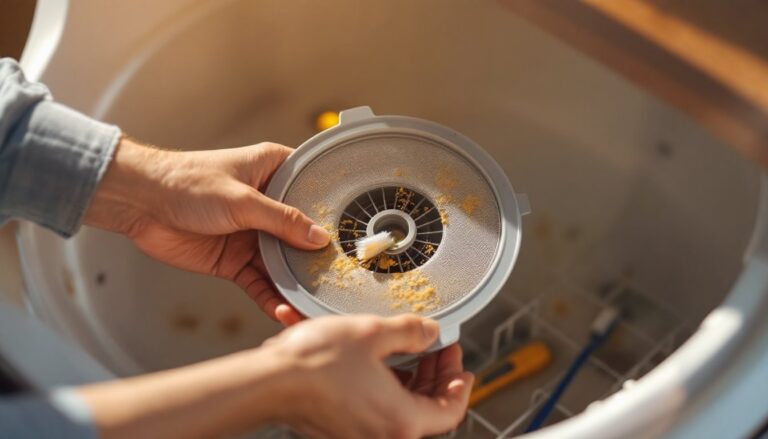
Once monthly, run an empty cycle with a commercial dishwasher cleaner (citric acid or enzymatic formulas work well) to flush mineral buildup and odors. Check and rinse the spray arm holes, hard water deposits can block them, reducing wash performance. Wipe the door seals and gaskets with a damp cloth to prevent mold. If you notice water pooling at the bottom after the cycle, the drain may be clogged: check the drain filter and clear any debris.
Hard water can leave white film on glassware. Using a rinse aid (like Finish or Jet-Dry) prevents spotting and speeds drying. Adjust rinse aid dosage based on water hardness: your local water utility can provide a hardness test. If the unit smells musty, leave the door open between uses and don’t let wet dishes sit inside for extended periods. Essential dishwasher upkeep includes these simple steps, and they ensure your bar dishwasher runs cleanly and quietly for years.
Choosing the Right Bar Dishwasher for Your Home
Start by assessing your entertaining frequency and needs. If you host large dinner parties monthly, prioritize capacity and drying speed. If you use it mainly for bar glasses and light entertaining, a compact undercounter or countertop model is sufficient.
Budget matters. Countertop models range from $400–$800, while undercounter units run $700–$1,500 installed (plumbing and cabinet work add $300–$800). Portable dishwashers are mid-range, typically $600–$1,200. Higher-end models include better insulation (quieter operation), more wash cycles, and stainless steel interiors. Read customer reviews for reliability: dishwashers that fail within 3–5 years cost more in repairs and replacement than a slightly pricier, proven model.
Consider water and energy consumption. Look for Energy Star certification and check the EnerGuide label for annual water and energy costs. Over a 10-year lifespan, an efficient bar dishwasher saves $150–$300 versus a basic model. Noise level matters if your bar is open to a living space, opt for units rated 45 dB or quieter.
Installation flexibility is worth weighing. A portable or countertop model gives you freedom to relocate if you renovate: undercounter units require permanent plumbing and are harder to move. Recent smart home appliance trends show growing interest in WiFi-enabled dishwashers that alert your phone when cycles complete or alert you to maintenance needs. If you like that tech integration, check current models for connectivity.
Finally, consider where you’ll source the unit. Big-box retailers stock popular models with fast delivery, while specialty appliance stores often have better staff knowledge and may offer better service plans. Compare warranties: most cover 1–2 years on parts and labor.
Conclusion
A bar dishwasher transforms entertaining from stressful cleanup to seamless hospitality. Whether you choose a compact countertop model for a home bar or an undercounter unit for a full kitchen renovation, the right choice depends on your space, plumbing setup, and how you entertain. Install properly, maintain it simply, and your bar dishwasher will keep glassware spotless and your hands free for what matters, enjoying time with guests.