
A 48-inch refrigerator has become the go-to option for homeowners serious about maximizing kitchen functionality and modern aesthetics. Unlike standard 30-inch or 36-inch models, these wide-format units offer significantly more storage without eating up extra floor space, making them ideal for larger families, serious home cooks, and anyone who loves having everything organized and accessible. Whether you’re renovating a kitchen or simply upgrading appliances, understanding what a 48-inch refrigerator brings to the table, literally and figuratively, helps you make an well-informed choice that aligns with your lifestyle and kitchen layout.
Table of Contents
ToggleKey Takeaways
- A 48-inch refrigerator requires careful space planning with 50 inches of width clearance, 30–32 inches of depth, and ceiling height of 84–90 inches to avoid installation problems.
- Modern 48-inch refrigerators offer 24–28 cubic feet of storage (roughly 50% more than standard 36-inch models) with advanced features like dual compressor systems and temperature zoning for flexible food storage.
- ENERGY STAR certified 48-inch models save $14–$21 annually on operating costs compared to standard units, with inverter compressors and improved insulation delivering long-term savings over a 15-year lifespan.
- Popular styles range from luxury brands ($4,000–$7,000+) like Sub-Zero and Wolf to mid-range options ($2,500–$4,000) from LG and Samsung, with choices between built-in flush designs and freestanding configurations.
- French-door layouts are the most popular 48-inch refrigerator configuration, minimizing cold air loss and improving access to frequently used items at eye level.
- Plan for professional installation, water line access within 10 feet, dedicated 20-amp electrical circuits, and maintenance like filter replacement every 6–12 months to ensure optimal performance.
Understanding 48-Inch Refrigerator Dimensions And Space Requirements
Before you fall in love with a 48-inch refrigerator, measure your kitchen opening carefully. A 48-inch fridge is actually closer to 47.75 inches wide (accounting for trim and handles), so you need at least 48 to 49 inches of clearance, and ideally 50 inches to avoid a tight squeeze during installation.
Depth matters too. Most 48-inch models run 30 to 32 inches deep from the back wall, which means your countertops and cabinetry need to accommodate that footprint. If your kitchen has a smaller footprint or the refrigerator will sit at an angle to surrounding cabinetry, mock up the placement with cardboard or painter’s tape first.
Height is equally critical. Standard 48-inch refrigerators range from 84 to 90 inches tall (with some counter-depth models slightly shorter). Your ceiling must clear the unit by at least 1 inch, and if you have soffit or upper cabinets, account for that space now. Doorway width matters if you’re moving the fridge through a narrow hallway, measure the diagonal of the fridge against doorway dimensions.
Consider water and electrical access. Most 48-inch models have a rear-mounted water connection for the ice maker and dispenser, so you’ll need a water line and shut-off valve within reasonable distance. Dedicated 20-amp electrical circuits are standard practice: check your kitchen’s circuit panel before purchase to confirm capacity.
Key Features To Look For In A 48-Inch Refrigerator
Modern 48-inch refrigerators pack in a lot of smart technology. Look for features like adjustable shelving, humidity-controlled crisper drawers, and spill-proof glass shelves that make organization and cleanup a real difference in daily life. Many models now include porous carbon filtration for water and ice, which beats generic charcoal cartridges for taste and longevity.
Ice and water dispensers come in two formats: through-the-door (space-efficient but takes up interior volume) or in-door (cleaner look, though still occupies shelf real estate). Fingerprint-resistant stainless steel is worth the premium if you’ve got a busy household, it hides smudges far better than polished finishes.
Temperature zoning is huge. A convertible zone that switches between fridge and freezer modes lets you adapt storage on the fly for holidays or when you’re stocking up. Some units include dual compressor systems, which means the fridge and freezer run independently, no more defrost cycles affecting temperature stability across both compartments.
Energy Efficiency And Cost Savings
ENERGY STAR certification cuts annual operating costs by 10 to 15 percent compared to standard models. A 48-inch refrigerator consumes roughly 750 to 850 kWh per year (certified models run closer to 700 kWh). At average US rates of $0.14 per kWh, that’s a difference of $14 to $21 per year, modest in year one, but meaningful over a 15-year lifespan.
Inverter compressors are the real game-changer. Instead of constantly cycling on and off, they ramp up or down based on cooling demand, reducing wear and noise. Look for models rated EER 18 or higher (Energy Efficiency Ratio) for true efficiency gains. Don’t cheap out on insulation quality either: thicker wall cavity foam and improved door gaskets pay dividends in energy bills.
Storage Capacity And Layout Options
A 48-inch refrigerator typically offers 24 to 28 cubic feet of storage, roughly 50 percent more capacity than a standard 36-inch model. That breaks down into roughly 15 to 18 cubic feet of fridge space and 8 to 10 cubic feet of freezer, though proportions vary by brand and design.
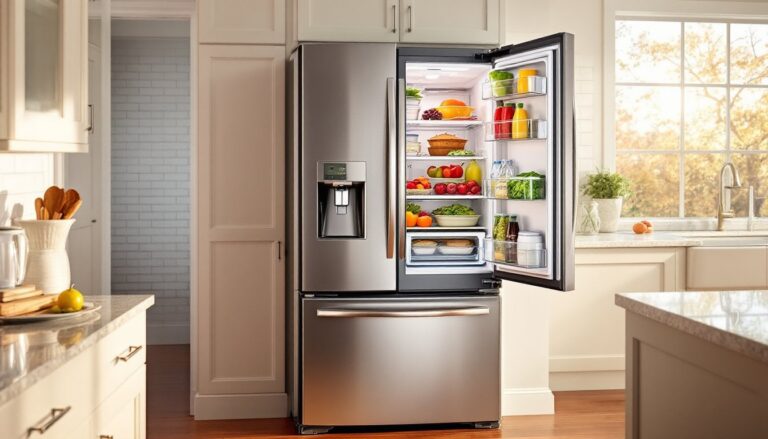
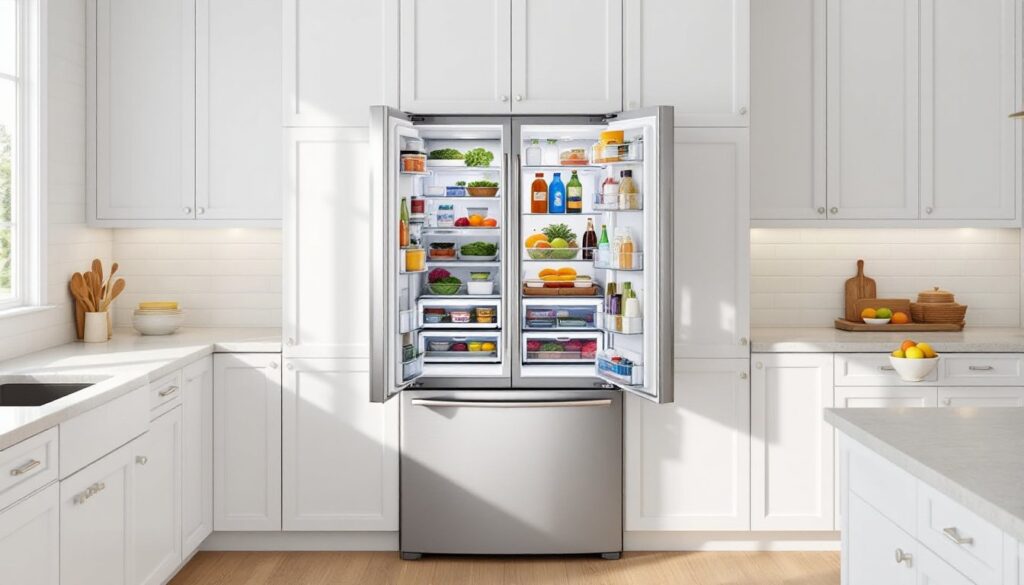
French-door layouts are the most popular, with dual side-by-side doors opening onto a shared refrigerator section below and a divided freezer drawer underneath. This design minimizes cold air loss when opening doors and makes accessing eye-level items easier. Side-by-side configurations (fridge on one side, freezer on the other) maximize vertical space but give each section a narrower footprint, good if you’re freezing bulk items but frustrating for wide platters in the fridge.
Column refrigerators, essentially two standalone units stacked vertically, offer maximum flexibility. You can customize each cabinet independently, but they demand professional installation and cost significantly more. Many luxury kitchen designs featured in home renovation resources incorporate column models for seamless integration into cabinetry.
Shelf materials affect real-world usability. Spill-proof shelves with raised rims prevent leaks, while adjustable wire shelves waste less space and let cold air circulate better. Glass shelves look sleek but limit ventilation: hybrid designs (tempered glass with wire frame edges) split the difference. Pro tip: measure your tallest items before purchasing, some models skimp on top-shelf clearance even though overall capacity claims.
Popular 48-Inch Refrigerator Styles And Configurations
The luxury appliance market dominates the 48-inch segment. Brands like Signature Kitchen Suite, Wolf, Sub-Zero, and Thermador set the standard for fit-and-finish, quiet operation, and longevity. These models run $4,000 to $7,000+ but come with 5 to 10-year warranty coverage and parts availability that outlasts the appliance itself.
Mid-range options from LG, Samsung, and Whirlpool hit the $2,500 to $4,000 sweet spot, offering solid performance and modern conveniences without the prestige pricing. These brands have strong support networks and parts inventory through big-box retailers. Built-in versus freestanding also matters: built-in models sit flush with cabinetry for a seamless look, while freestanding units leave a gap that simplifies replacement but looks less integrated.
Stainless steel remains the dominant finish, though matte black and custom panel options are gaining ground. Matte finishes hide fingerprints but can feel less premium: custom panel models match your cabinetry exactly but require careful coordination during kitchen design and cost more upfront. High-end kitchen appliance reviews regularly feature stainless steel models for their versatility and proven durability. Counter-depth units are shallower (25 to 28 inches) but sacrifice freezer or crisper capacity to sit flush with standard counter depth, a trade-off worth considering if aesthetics matter more than raw storage.
Installation And Maintenance Tips For Homeowners
Installation isn’t a DIY project for most homeowners. A 48-inch refrigerator weighs 250 to 350 pounds depending on capacity, and moving it requires equipment like an appliance dolly, solid flooring, and precise maneuvering through tight spaces. Most retailers offer white-glove delivery for $100 to $300, which includes placement, unpacking, leveling, and haul-away of your old unit, money well spent.
Before the fridge arrives, confirm water line access. If you don’t have a shutoff valve within 10 feet of the location, hire a plumber to install one (runs $150 to $300). Refrigerators shouldn’t be connected to the same line as toilet fill valves or icemakers on older systems: cross-contamination risks aren’t worth the hassle.
Leveling is critical. Use a bubble level to check front-to-back and side-to-side: the fridge should tilt very slightly forward (about 1/4 inch) so doors swing shut naturally. Most units have adjustable front legs or wheels, your delivery crew should handle this, but confirm it’s done correctly.
Maintenance is straightforward. Replace water filters every 6 to 12 months (depending on water quality: harder water clogs filters faster). Clean condenser coils annually, they’re usually on the back or underneath, with a soft brush or vacuum to keep the compressor from overworking. Wipe door gaskets monthly with mild soap and water to prevent mold and maintain the seal. Avoid stacking heavy items directly against the back wall to allow air circulation around the compressor.
Conclusion
A 48-inch refrigerator is a long-term investment that transforms kitchen storage and functionality. Whether you’re drawn to the seamless integration of a built-in model or the straightforward practicality of a freestanding unit, taking time to measure your space, prioritize energy efficiency, and understand layout options ensures you choose the right fit. Plan your installation early, budget for delivery and any plumbing work, and you’ll enjoy years of reliable performance and daily convenience.