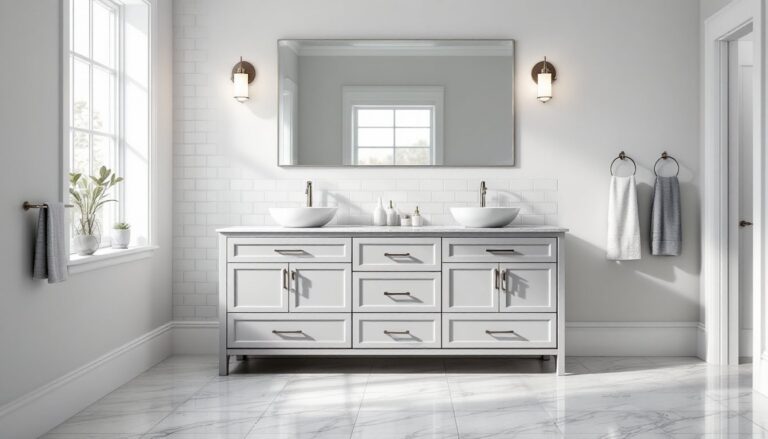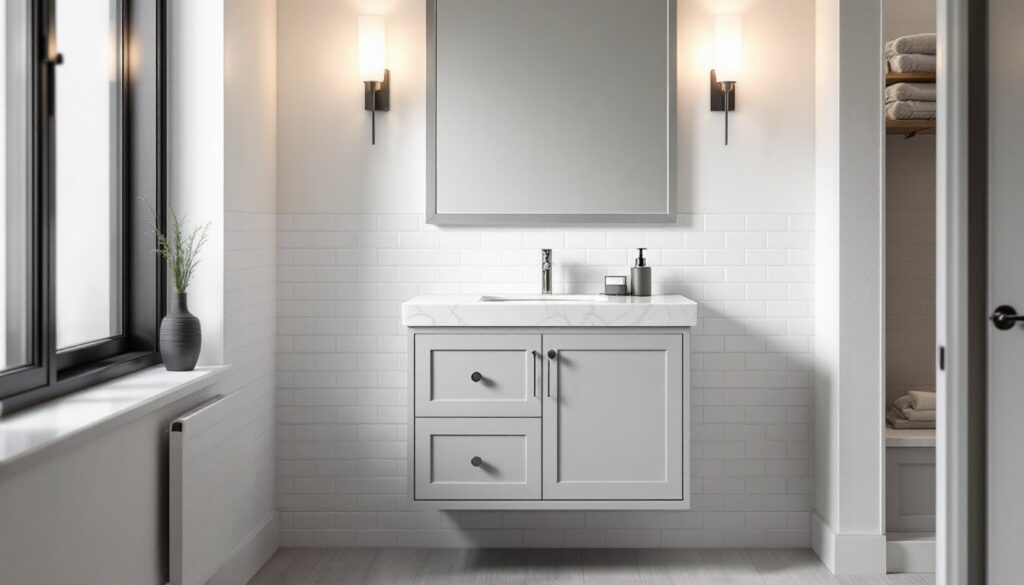

A 21 inch bathroom vanity isn’t a compromise, it’s a smart solution. Whether you’re working with a cramped powder room, a tight guest bath, or a compact urban apartment, a 21 inch vanity delivers real functionality without eating up square footage. This size sits between cramped pedestal sinks and sprawling double vanities, offering a genuine sweet spot for storage and counter space. If you’re wondering whether a 21 inch vanity makes sense for your space, or how to pick one that actually works with your layout and style, you’re in the right place.
Table of Contents
ToggleKey Takeaways
- A 21 inch bathroom vanity solves small-space challenges by providing genuine storage and counter space without requiring major plumbing or structural modifications.
- Choose materials wisely: MDF with laminate works for budget-conscious or renting situations, while plywood with quartz or cultured marble tops deliver better durability for long-term use.
- Proper installation requires leveling the mounting rail, securing to wall studs with wood screws, and sealing all water connections and caulk lines to prevent moisture damage.
- Style options range from cottage farmhouse with beaded board finishes to modern minimalist flat-front designs, allowing a 21 inch vanity to fit any bathroom aesthetic.
- Smart organization using drawer dividers, pull-out trays, and minimal countertop clutter maximizes functionality and makes the bathroom feel larger in tight spaces.
- Mid-range vanities ($300–$800) offer the best balance of durability, moisture resistance, and value compared to budget or premium options for most homeowners.
Why Choose a 21 Inch Bathroom Vanity
A 21 inch vanity solves the small-space bathroom problem that plagues renters, condo owners, and anyone with a tight floor plan. Unlike a 36 inch double vanity, it doesn’t require major wall rework or plumbing relocations. Unlike a pedestal sink, it actually gives you storage, drawers, shelving, or both, for everyday items like hair tools, medications, and cleaning supplies.
The depth (usually 18 to 22 inches) lets the vanity sit flush against the wall without jutting into the walkway. Standard vanity heights run 30 to 32 inches, which works ergonomically whether you’re tall or average height. A single-sink 21 inch vanity pairs well with narrow bathrooms, half-baths, and bedroom ensuite setups where clutter control matters.
Another practical angle: a 21 inch vanity leaves wall clearance for lighting and mirror placement without mounting fixtures awkwardly close to the edges. You can hang a decent-sized mirror above it, and still have room for sconces or a simple bar light. For renters, many 21 inch vanities are lighter and easier to remove or swap than larger units, and they’re less daunting to reinstall if you move.
Top 21 Inch Vanity Styles and Materials
Materials matter because bathroom humidity never stops working against whatever you install. Solid wood vanities (oak, maple, or pine) are classic and warm but need proper sealing or polyurethane topcoats to resist moisture long-term. MDF (medium-density fiberboard) with a veneer or laminate is cheaper, lighter, and often comes pre-finished, a smart pick if you’re renting or want low maintenance.
Solid surface tops like quartz or cultured marble resist stains and are easier to clean than natural stone. Natural marble or granite tops look premium but need sealing and can chip or etch. Laminate countertops are the budget choice but scratch more easily and can’t handle hot tools placed directly on the surface.
Vanity cabinet finishes range from white and off-white (still the safe choice for small bathrooms, as they reflect light) to gray, black, or warm wood tones if you want personality. Shaker-style cabinets with raised-panel doors feel classic. Simple flat-front designs read modern and take up visual space less aggressively.
Popular Styles and Finishes
Cottage and Farmhouse: Beaded board backs, white or cream paint, and bracket-style hardware. Works in traditional or country bathrooms. Often pairs well with white or cream marble tops or solid surface counters.
Modern Minimalist: Flat or slab cabinet doors, chrome or brushed-nickel hardware, and clean lines. Pairs well with gray, black, or white finishes. Keeps the visual footprint small in tight spaces.
Transitional: Shaker-style cabinets in warm gray, greige, or natural wood tones. Works with both traditional and contemporary decor. Versatile and forgiving if you change styles later.
Spa-Inspired: Warm wood tones (teak, walnut), organic shapes, and curved hardware. Feels luxe in a small footprint. A 21″ single bathroom vanity top delivers that aesthetic without the footprint of larger pieces.
Installation Tips for Your 21 Inch Vanity
Before you move a vanity through the bathroom door, measure the actual opening width and diagonal, not just the wall space. A 21 inch vanity is narrow, but the depth and mirror can create fitting challenges in older homes with narrow doorways.
Turn off the water supply at the shutoff valve (or main if no local valve exists). Disconnect the hot and cold supply lines by loosening the compression nuts with a wrench, keep a bucket underneath to catch residual water. Unscrew the drain connection where the P-trap meets the wall trap. If caulk bonds the old vanity to the wall, cut it with a utility knife before pulling.
Inspect the wall studs and framing where the new vanity will attach. Most vanities come with a mounting rail or ledger board. Level it horizontally using a 2 to 3 foot level, this matters for drawer operation and water pooling risks on the countertop. Screw the mounting rail to the studs with 2.5 inch wood screws, not drywall anchors alone. If studs aren’t positioned where the vanity needs support, add blocking between studs or use heavy-duty drywall anchors (like toggle bolts) rated for the vanity weight.
Reconnect the supply lines first. Check for leaks by turning the water back on and inspecting joints for drips. Tighten compression nuts only as much as needed, over-tightening can crack the fitting. Reattach the drain, and test for leaks again. Seal around the base with silicone caulk (not grout), and caulk the back seam where the countertop meets the wall. Caulk protects against water seeping into the wall cavity.
Storage Solutions and Organizational Ideas
A 21 inch vanity typically offers 1 or 2 drawers plus a cabinet space below. That’s finite, so smart organization saves frustration. Drawer dividers keep hair tools, nail clippers, and cotton swabs from rolling around. Shallow pull-out trays maximize vertical space inside the cabinet, store cleaning supplies, extra soap, and medications in a single tray you can slide in and out.
Medicine cabinets mounted above the vanity add shelving for bottles and daily-use items without cluttering the counter. If you want visual lightness, floating shelves on either side of a mirror do the same. Over-the-toilet shelving works if the bathroom layout allows it, it’s often wasted space in small rooms.
Keep the countertop itself minimal: toothbrush holder, soap dispenser, maybe one small plant. Everything else goes into drawers or the cabinet. This trick makes the bathroom feel larger and the vanity easier to clean. Use drawer organizers with compartments to prevent a jumbled mess as you add items.
If moisture and ventilation are concerns (and they always are in bathrooms), don’t cram the cabinet so full that air can’t circulate. Leave space between items, and crack open cabinet doors occasionally to let humidity escape. A bathroom exhaust fan running during and after showers is your best friend here.
Budget-Friendly vs. Premium Options
A budget 21 inch vanity (under $300) typically features an MDF cabinet with laminate or simple solid-surface countertop, basic hardware, and limited drawer storage. It’s functional and fine for renters or guest baths where wear is light. The trade-off: finishes may not hold up long-term if humidity is high, and hardware can feel flimsy.
Mid-range vanities ($300–$800) jump to better plywood construction, real wood veneers, quartz or cultured marble tops, and more substantial hardware. Drawers glide smoothly, finishes resist moisture better, and the cabinet won’t sag after 5 years. This tier makes sense if you’re staying put and want something that’ll last.
Premium vanities ($800 and up) offer solid wood construction, natural stone tops, high-end finishes, custom sizing, and designer hardware. The difference is durability, aesthetics, and resale appeal if you’re selling the house. But, for a 21 inch vanity, premium may not be worth the jump unless the rest of your bathroom is also high-end.
When shopping, check reviews for moisture and durability complaints. Look at product photos showing the cabinet interior, are drawers dovetailed or just nailed? Does the finish show water marks or peeling in customer images? Remodelista and similar design-focused sites curate higher-end options and explain material choices well, which helps you understand what you’re paying for. For budget planning and contractor input, ImproveNet’s renovation cost guides offer regional pricing context so you don’t overshoot your bathroom budget on one piece.
Conclusion
A 21 inch bathroom vanity is a practical choice for small spaces, offering real storage and counter area without the footprint demands of larger units. Size, material, style, and installation quality all determine whether you end up with a solution that works for years or a regret. Measure twice, pick materials rated for bathroom humidity, and don’t skip the installation details, especially plumbing connections and wall support. A well-chosen 21 inch vanity transforms a cramped bathroom into a functional, organized space.