
Your refrigerator’s water dispenser looks simple enough, but what’s happening behind that plastic door involves more than you might think. A refrigerator water filter sits between your home’s water line and every glass you pour, working quietly to trap sediment, chlorine, and contaminants before they reach your lips. Most homeowners replace their filters once a year, if they remember to do it at all. The truth is, picking the right filter and understanding how it works can make a real difference in water quality, taste, and even your appliance’s longevity. This guide walks you through what actually matters when choosing a refrigerator water filter, how different types operate, and why maintenance isn’t optional.
Table of Contents
ToggleKey Takeaways
- A quality refrigerator water filter removes chlorine, sediment, and contaminants that affect taste and odor while protecting your appliance’s internal components from damage.
- Activated carbon filters are the standard choice for most homes, costing $20–$75 per cartridge and effectively reducing taste and odor issues through a process called adsorption.
- Check for NSF certification (Standards 42 or 53) when selecting a filter to ensure independent testing confirms the contaminant reduction you need.
- Replace your refrigerator water filter on schedule every 6–12 months rather than waiting for signs of failure, as clogged filters can harbor bacteria and reduce filtration effectiveness gradually.
- After installing a new filter, flush water through the dispenser for 2–5 minutes to remove air bubbles and loose carbon particles, which is critical for optimal performance.
- If your tap water has high sediment load or quality concerns, consider an inline filter installed at the main water line as a pre-filter before your refrigerator’s cartridge.
Why Your Refrigerator Water Filter Matters
Tap water is treated at municipal plants, but it travels through aging pipes, picks up sediment, and can retain chemical residues like chlorine and chloramines. Your refrigerator’s water filter is your last line of defense, it’s a practical barrier between municipal water and your family’s drinking glass.
When a filter does its job, you notice the difference immediately: water tastes fresher, ice cubes look clearer, and there’s no funky smell. But beyond taste, a quality filter reduces sediment that clogs the ice maker, removes chlorine compounds that degrade plastic seals, and helps extend the life of your fridge’s internal plumbing.
Here’s the catch: a clogged or expired filter doesn’t just stop working, it can actually harbor bacteria if left past its recommended life. Most filters are rated for 6 to 12 months depending on your water quality and usage. Replacing it on schedule isn’t about being precious: it’s about keeping your appliance running and your water safe. According to appliance reviews from Good Housekeeping, homeowners who stick to a replacement schedule report fewer ice-maker failures and consistently better water flavor.
Types of Refrigerator Water Filters and How They Work
Not all filters are created equal. Understanding the two main categories helps you choose what fits your fridge and water concerns.
Activated Carbon Filters
Activated carbon is the workhorse of most refrigerator filters. It’s processed wood, nutshell, or coal that’s treated to create a highly porous surface with millions of tiny spaces. These spaces trap chlorine, chloramine, volatile organic compounds, and some sediment through a process called adsorption, not absorption, which is different. Water molecules pass through: contaminants stick to the carbon.
Activated carbon filters excel at improving taste and odor, which is why they’re standard in most refrigerators. A typical carbon filter cartridge (around 4 to 6 inches long) costs $20 to $75 depending on brand and fridge model. The trade-off: carbon alone doesn’t remove bacteria or viruses, and it won’t address hard minerals like calcium or magnesium. For most U.S. homes with municipal water, this is fine, municipal water is already pathogen-treated. But if you’re relying solely on a fridge filter for questionable source water, you need more.
Inline Filters and Under-Sink Options
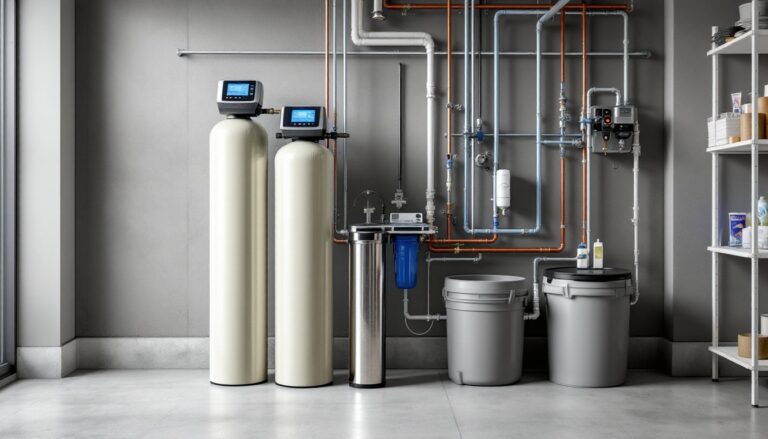
Some homes use inline filters installed directly at the water line before it reaches the fridge. These sit under the sink or in a basement cabinet and typically handle more robust filtration than a fridge cartridge can manage. Inline filters often stack multiple stages, sediment, carbon, and sometimes mineral reduction, in one canister. According to kitchen appliance guidance from The Kitchn, inline systems work well if you want centralized filtration that also feeds your ice maker and dispenser.
Under-sink filters sit at the point of use and give you direct control. They’re pricier upfront ($100 to $300) but offer flexibility and usually longer-lasting cartridges (12 to 18 months). The downside: they don’t help if your ice maker needs clean water, and you’ll have a separate dispenser line to manage. For most homeowners, a built-in fridge filter is the simplest starting point unless you have specific water quality issues.
Key Features to Compare When Choosing a Filter
When you’re browsing filter options, focus on what actually matters for your home:
Contaminant Reduction. Check the filter’s NSF certification (National Sanitation Foundation). NSF-certified filters have been independently tested to reduce specific contaminants. A filter claiming to reduce chlorine is different from one claiming reduction of volatile organic compounds or sediment. Look at the test data, not just the marketing language. Most refrigerator filters are NSF Standard 42 (taste and odor) or Standard 53 (health effects). Standard 53 is stronger and includes bacteria reduction, though bacterial resistance depends on proper installation and timely replacement.
Flow Rate and Compatibility. A filter that reduces too many contaminants too thoroughly can slow water flow to a trickle. Most refrigerator filters maintain a reasonable flow, around 0.5 gallons per minute, while filtering. Before buying, verify the exact filter type for your fridge model. Many manufacturers use proprietary cartridges: a GE SmartWater filter won’t fit a Samsung, and forcing the wrong one wastes money and water.
Replacement Frequency and Cost. A $40 filter lasting 6 months costs $80 per year. A $60 filter lasting 12 months costs $60 per year. Factor in both the cartridge price and how often you’ll be buying replacements. Higher usage (larger household, existing water issues) means more frequent replacements. Keep a spare on hand so you don’t run with a clogged filter.
Indicator Lights and Reminders. Modern fridges include filter status lights that turn red or orange when it’s time to change. These are approximate, they measure water volume dispensed, not filter saturation, so don’t ignore a light, but also don’t panic if it shows red and the water still tastes fine. For older fridges without indicators, set a phone reminder for 6 or 12 months.
Installation and Maintenance Tips for Homeowners
Swapping a refrigerator water filter is straightforward, but skipping the prep work leads to leaks and reduced performance. According to homeowner maintenance guidance from Today’s Homeowner, most issues stem from rushing the installation or not flushing the new filter.
Before Installation. Turn off the water supply to the fridge. This is usually a valve under the sink or behind the fridge. Take a photo of the old filter cartridge, the part number and orientation matter for reordering and installation. Keep the filter housing clean: dust inside the compartment can contaminate the new filter.
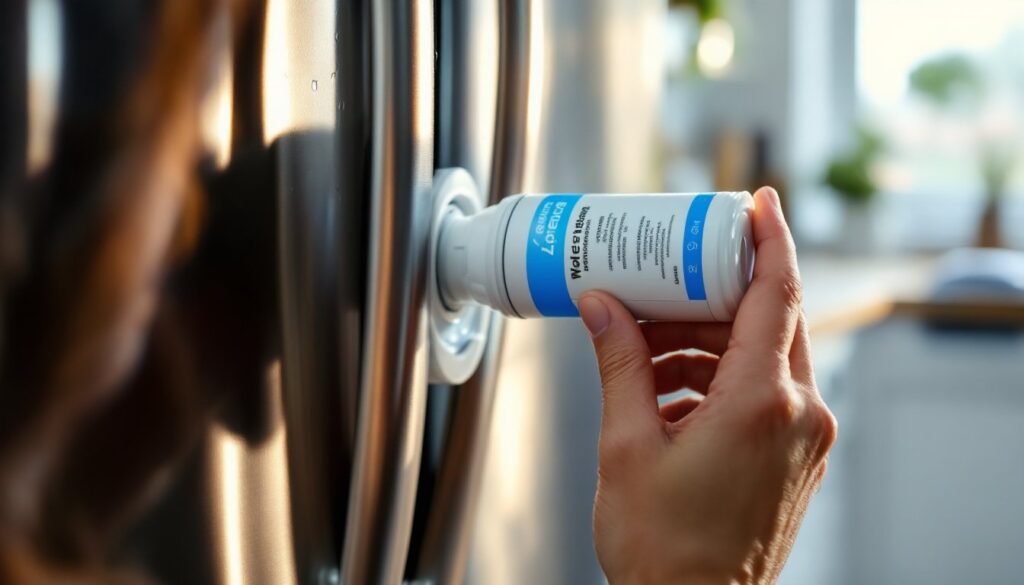
During Installation. Insert the new cartridge at a slight angle, then turn it clockwise until snug. Don’t over-tighten, you’ll damage the O-ring seal and create a leak. If your fridge uses a slide-in cartridge (common in newer models), align the slots and push straight in until it clicks. Refer to your fridge’s manual if you’re unsure: a two-minute read beats a flooded floor.
After Installation. This is where most DIYers mess up. Run water through the dispenser continuously for 2 to 5 minutes, let it flush. You’ll see cloudy water (air bubbles), then it clears. This removes air from the system and loose carbon particles. Some water may taste slightly off for a day or two: that’s normal. If water still trickles after 5 minutes of flushing, the cartridge isn’t seated properly, remove and reinstall.
Ongoing Maintenance. Replace your filter on schedule, not “when it needs it.” A filter’s effectiveness drops gradually, so you don’t notice the decline until water tastes off or the ice maker slows. Set a calendar reminder for exactly 6 or 12 months (whatever your filter’s rating). Keep a spare filter in the pantry so you don’t delay a change. If you notice sediment in the ice or water, your filter may have failed early due to high sediment load in your water line, consider an inline filter upgrade before the fridge’s filter, or switch to a filter with a higher sediment rating.
Conclusion
The best refrigerator water filter is one that matches your water quality, fits your fridge model, and gets replaced on schedule. Activated carbon filters work for most homes: inline filters offer heavier filtration if needed. Check for NSF certification, respect flow rates, and don’t skip the flush step after installation. Your water will taste better, your ice will look clearer, and your fridge’s components will last longer. That’s worth the small effort.