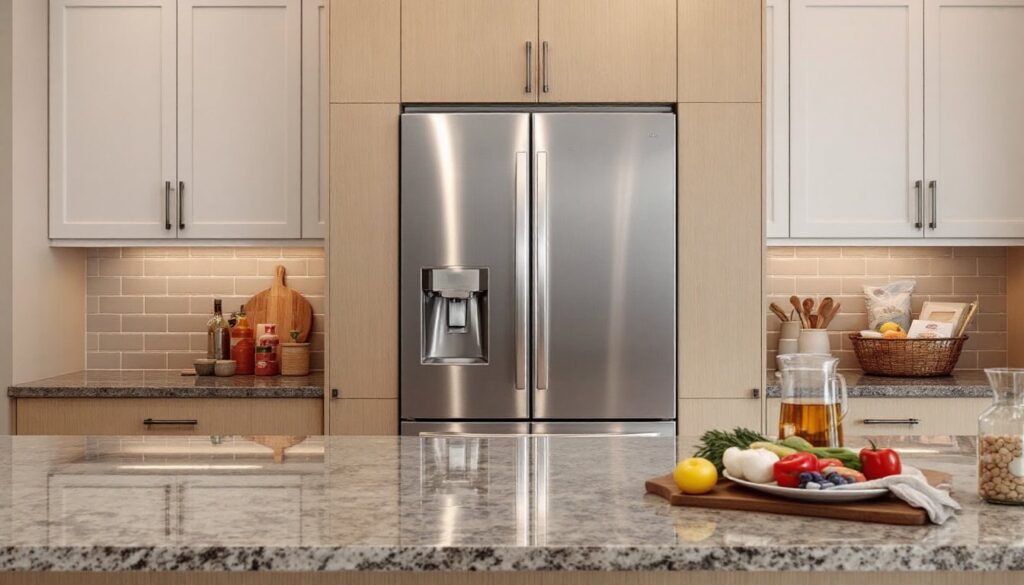

A built-in refrigerator transforms a kitchen from merely functional to intentionally integrated. Unlike standard freestanding units, built-in models fit flush with cabinetry, offer seamless design continuity, and often deliver better performance for the price when you factor in durability and customization. If you’re planning a renovation or upgrading an older kitchen, understanding your options in built-in refrigerators, from capacity and energy efficiency to installation depth and cost, makes the difference between a solid investment and a regrettable purchase. This guide walks you through the essentials to find the right built-in refrigerator for your home.
Table of Contents
ToggleKey Takeaways
- A built-in refrigerator transforms your kitchen with seamless design continuity while offering superior durability, better temperature management, and longer operational lifespans compared to freestanding units.
- Choose from standard widths of 24–42 inches and layouts like French-door, side-by-side, or bottom-freezer based on your kitchen’s available space and daily usage patterns, as swapping units later is difficult.
- ENERGY STAR certification is essential; modern certified units use 15% less energy than non-certified models, with inverter compressors providing quiet, efficient operation ideal for open-concept kitchens.
- Professional installation is critical for built-in refrigerators—proper ventilation, electrical circuits, and cabinet alignment directly impact performance and warranty validity, with costs ranging from $500–$1,500.
- Budget-friendly models ($3,000–$5,000) offer reliable cooling, while mid-range ($5,000–$8,000) and premium options ($8,000–$16,000+) provide quieter operation and fully customizable panel-ready designs for total kitchen integration.
- Allow 24–48 hours after delivery before plugging in your built-in refrigerator to let compressor oils resettle, preventing damage and ensuring long-term reliability.
Why Choose A Built-In Refrigerator?
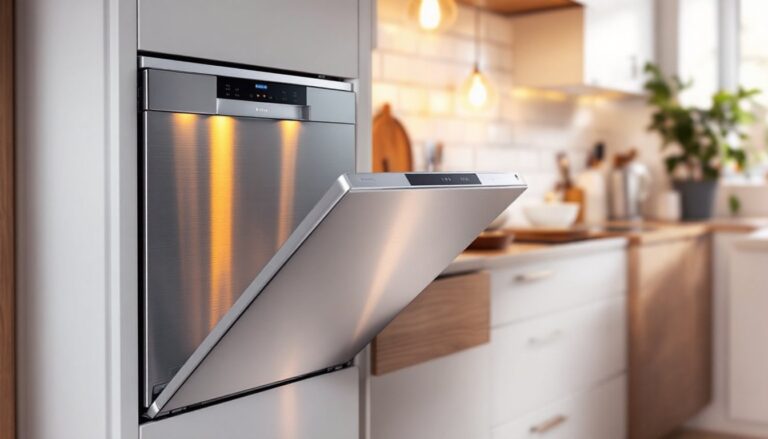
Built-in refrigerators address a specific pain point: wasted space and visual clutter. Freestanding units protrude into the room, break up sightlines, and force you to work around their fixed depth. A built-in model slides into a prepared cabinet opening and aligns with your countertop and cabinetry face frames, creating a clean, unified look.
Beyond aesthetics, built-in refrigerators typically handle longer operational lifespans because they’re designed for continuous use in semi-enclosed spaces with controlled ventilation. They often feature superior insulation, more precise temperature management, and higher-quality compressors than comparable freestanding models. If your kitchen remains at a consistent temperature year-round, a built-in unit thrives in that predictable environment.
There’s also the practical matter of resale value. Kitchens with built-in appliances signal investment and intentional design to potential buyers. A thoughtfully integrated refrigerator rarely looks dated the way a freestanding box eventually does. That said, built-in models cost more upfront, typically 20–40% more than freestanding equivalents, so weigh that premium against your timeline in the home and your renovation goals.
Key Features To Look For
Capacity And Layout Options
Built-in refrigerators come in standard widths of 24, 30, 36, and 42 inches. Your cabinet opening determines which you can fit, but don’t assume standard width means standard depth. Many built-in units have a 20–24 inch depth (measured from back wall to door handle), compared to 30+ inches for freestanding models. Confirm your available recess depth before ordering.
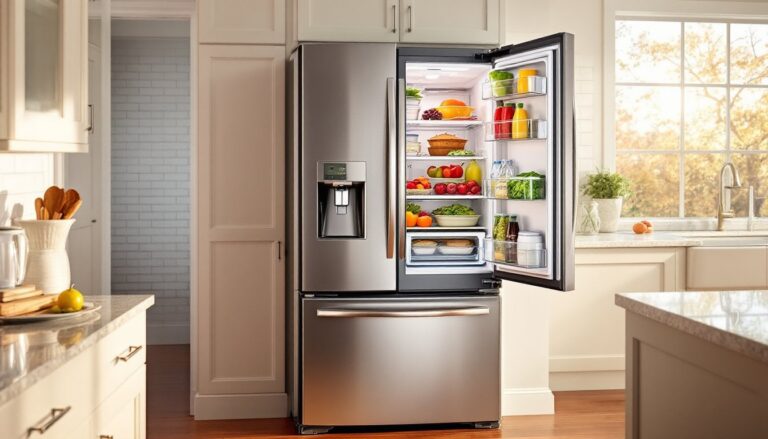
Layout matters more in a built-in because you can’t easily swap one out later. French-door configurations dominate the premium segment, they offer access to both fresh food and freezer without opening a single large door, minimizing cold air loss. Some homeowners prefer traditional side-by-side splits for narrow kitchens where a door swing is restricted. Bottom-freezer drawers suit households that reach for fresh food more often than frozen.
Storage compartments vary too. Look for adjustable shelving (tempered glass resists breakage better than wire), dedicated produce zones with humidity control, and door bins sized for typical grocery items. Capacity ratings (measured in cubic feet) range from 18 to 24 cubic feet for most built-in models, smaller than many freestanding alternatives, a genuine trade-off for seamless cabinetry integration.
Energy Efficiency And Performance
Energy efficiency directly affects your monthly utility bill and environmental footprint. Built-in refrigerators should carry an ENERGY STAR certification, indicating they meet Department of Energy efficiency standards. A unit certified in 2025–2026 uses roughly 15% less energy than a non-certified equivalent from five years ago.
Compressor type influences both efficiency and noise. Inverter compressors (variable-speed motors) adjust cooling output based on demand, running quietly and using less power than fixed-speed compressors that cycle on and off. Inverter models cost more but deliver noticeable quietness in open-concept kitchens, critical if your fridge sits near a living area.
Temperature stability matters for food longevity and safety. Premium built-in refrigerators use dual evaporators and separate air handlers to maintain precise temperatures in both compartments independently. Budget models sometimes default freezer temps when you adjust the fridge section, leading to food spoilage if you’re not vigilant. Ask for spec sheets showing temperature variance: anything tighter than ±2°F is solid.
Ice and water dispensers add convenience but also complexity. Plumbed units require a water line run to the cabinet (usually during renovation), while portable ice makers avoid that installation step. If you skip a dispenser, you gain interior shelf space and reduce failure points, fewer moving parts means fewer repair calls down the line.
Installation And Space Considerations
Installation is not a weekend project for most DIYers. Built-in refrigerator placement demands precision: the cabinet opening must be square (check with a level in both directions), and walls must not bow inward or outward more than 1/4 inch over 10 feet. Any deviation causes doors to swing shut on their own or fail to close fully, both problematic.
You’ll need proper ventilation. Unlike freestanding models, built-in units exhaust heat through either a top or bottom grille: if blocked or inadequately vented, the compressor overheats and efficiency drops sharply. Cabinet design must include either a soffit opening (for top-vent models) or kick-space clearance (for bottom-vent units). Some kitchens require ducting to direct heat outside during cooling season, an added expense and complexity your contractor should assess before the order arrives.
Electrical requirements vary by model. Most require a dedicated 15–20 amp circuit within 6 feet of the unit. Ice makers and water dispensers demand additional capacity if you’re running other appliances on the same circuit. A licensed electrician should verify your setup: undersized wiring or a shared circuit invites nuisance breaker trips or, worse, a fire risk.
Deliverery and positioning also matter. The unit’s footprint must fit through your kitchen doorways and hallways during installation, measure twice. Many installations require temporarily removing cabinet panels or parts of the appliance itself. Professional installation runs $500–$1,500 depending on complexity and your region. Attempting a DIY install without HVAC and electrical experience often leads to voided warranties and callback costs that erase any savings.
One more detail: allow 24–48 hours for the unit to sit unplugged after delivery before plugging it in. Oils in the compressor need time to resettle, especially if the refrigerator was transported at an angle. Powering it on too soon risks compressor damage.
Budget-Friendly Vs. Premium Models
Entry-level built-in refrigerators (roughly $3,000–$5,000) from brands like GE, Frigidaire, and Electrolux hit the basics: reliable cooling, ENERGY STAR certification, and conventional compressors. They work fine if you prioritize dependability over silence or cutting-edge features. You’ll find simpler layouts, standard inverter compressors, and fewer customization finishes. These models lean toward ice makers or water dispensers as premium add-ons rather than standard inclusions.
Mid-range options ($5,000–$8,000) often feature French-door layouts, quieter inverter compressors, and refined finishes like stainless steel or custom panel-ready fronts that accept your cabinet doors for a fully integrated look. Brands like Samsung, LG, and Dacor dominate this tier. Storage flexibility improves, adjustable shelves, dedicated produce drawers, and zone cooling become standard. Many offer Wi-Fi connectivity for temperature monitoring via app, though that feature varies in real-world usefulness.
Premium models ($8,000–$16,000+) deliver the kitchen showroom experience. Miele and Sub-Zero stand out for compressor longevity (Miele claims 20-year lifespans), nearly silent operation, and obsessive temperature management. You pay for materials (thicker insulation, premium compressors), exceptional control electronics, and brand reputation. Many premium units offer fully customizable panel-ready designs, allowing you to install matching cabinetry panels that make the fridge visually disappear into your kitchen.
Recent reviews from reliable sources consistently recommend models across all price tiers for different priorities. Budget-conscious buyers have found solid performers, while those seeking stealth integration and ultra-quiet operation justify premium pricing. Factor installation and potential electrical upgrades into your total cost: a $5,000 fridge becomes a $7,000 project once the contractor handles the cabinetry adjustment and electrician fees.
When comparing models, research built-in refrigerator reviews from consumer publications for real-world feedback on noise levels, temperature stability, and long-term reliability. Design publications like The Kitchn and Remodelista also highlight how different models integrate into actual kitchen renovations, offering practical perspective beyond spec sheets.
Conclusion
A built-in refrigerator is a long-term fixture, often the last appliance you’ll replace in a kitchen renovation. The right choice balances your budget, design preferences, space constraints, and actual daily use. Prioritize capacity and layout over bells-and-whistles features you won’t use, confirm installation feasibility early (involve your contractor and electrician), and don’t underestimate the value of ENERGY STAR efficiency over the appliance’s 10–20 year lifespan. Invest the time upfront, and you’ll enjoy a kitchen that looks intentional and functions reliably for decades.