
A dishwasher leak can silently wreak havoc on your kitchen floors and cabinets, causing damage that costs thousands to repair. A dishwasher pan is a simple but essential safeguard that catches water before it pools underneath your appliance. Whether you’re installing a new dishwasher or upgrading an older model, understanding what a dishwasher pan does, and how to choose and maintain one, can save you from costly water damage down the road. This guide walks you through everything you need to know about dishwasher pans, from selection to installation to ongoing care.
Table of Contents
ToggleKey Takeaways
- A dishwasher pan is an essential protective basin that catches water leaks and prevents thousands of dollars in water damage to subfloors, joists, and cabinetry.
- Dishwasher pans come in plastic ($30–$80) or stainless steel ($80–$200) options, with plastic being sufficient for enclosed kitchens and stainless steel offering superior durability for visible installations.
- Most homeowners can install a dishwasher pan in 30 to 60 minutes by connecting the drain to a standpipe, sink P-trap, or floor drain to safely direct water away from structural components.
- Regular maintenance every 3 to 6 months—including drain inspection, mineral deposit removal with vinegar, and hose connection checks—keeps your dishwasher pan functioning reliably.
- Building codes in many jurisdictions now require dishwasher pans, particularly in multifamily housing, so check local regulations before installation to ensure compliance.
What Is A Dishwasher Pan?
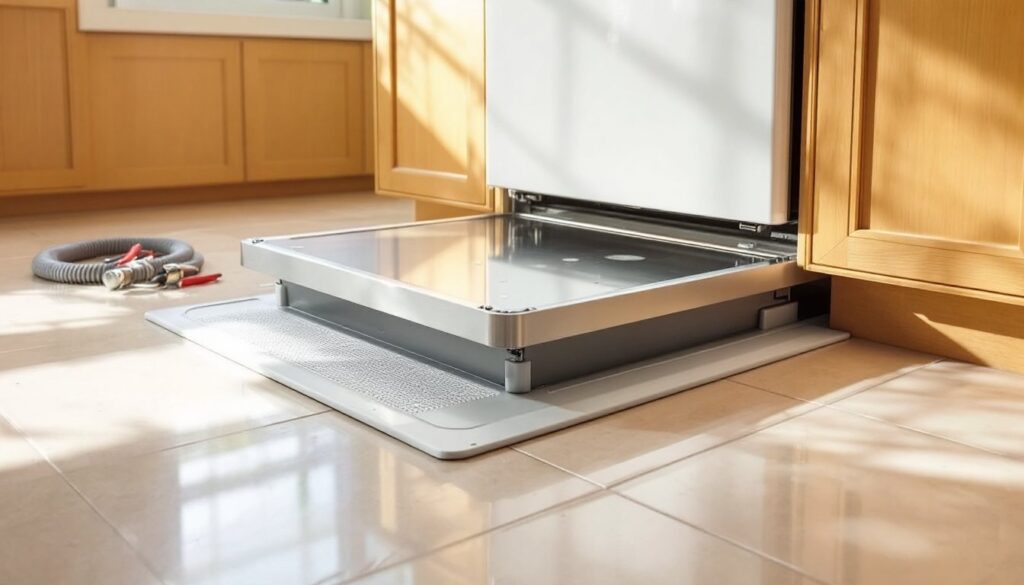
A dishwasher pan, also called a drip pan or catch pan, is a shallow basin designed to sit beneath your dishwasher and capture any water that leaks from the appliance. It’s typically made from plastic or stainless steel and measures roughly 24 to 27 inches wide by 18 to 24 inches deep by 3 to 4 inches tall, depending on the dishwasher model. The pan sits on the kitchen floor under the dishwasher and connects to your home’s drain system, either to a standpipe, the sink’s P-trap, or a floor drain, so water doesn’t pool inside the pan or cause damage to subfloors and surrounding cabinetry. Think of it as an insurance policy: most dishwashers don’t leak under normal operation, but seals wear out, hoses crack, and manufacturing defects happen. When they do, the pan catches the water before it becomes a structural problem. Building codes in many jurisdictions now require dishwasher pans in certain situations, particularly in multifamily housing or when the dishwasher is located above living spaces, so it’s worth checking your local codes even if you think one isn’t necessary.
Why You Need A Dishwasher Pan
Protection From Water Damage
Water damage from a leaking dishwasher can escalate quickly. A small crack in a drain hose or a failing door gasket might start with a gallon or two of water trickling onto your floor daily. Over weeks or months, that moisture seeps into the subfloor, promotes mold growth, and rots structural components like joists and floor framing. Replacing water-damaged subfloor and joists, not to mention remediation of black mold, easily runs $3,000 to $10,000 or more, and that’s before dealing with any structural repairs or living space during renovation. A dishwasher pan catches that water before it becomes a crisis. The pan’s drain connection (whether to a standpipe or sink P-trap) guides water safely to your home’s plumbing system, keeping it away from wood framing and flooring. Homeowners often discover leaks only after damage is done because dishwashers sit in cabinets where you can’t see beneath them daily. According to home safety guides from Good Housekeeping, water intrusion from appliances ranks among the leading causes of hidden home damage. Installing a pan is a $50 to $150 investment that prevents tens of thousands in potential repairs. Even if your dishwasher never leaks, the pan provides peace of mind, and in many areas, it’s legally required by building code.
Types Of Dishwasher Pans To Consider
Plastic Vs. Stainless Steel Options
Plastic pans are the most common and affordable choice, typically costing $30 to $80. They’re lightweight, easy to install, and resistant to rust. Most are molded from high-density polyethylene (HDPE) or polypropylene, materials that stand up well to water and cleaning chemicals. The downside: plastic can degrade or crack under sustained heat or if exposed to sunlight for extended periods, and cheaper plastic pans may flex or warp if water sits in them for too long. For under-cabinet applications where the pan stays cool and shaded, plastic works fine.
Stainless steel pans cost $80 to $200 but offer superior durability and a sleek appearance if the pan is visible (for example, in an open-concept kitchen or on an island). Stainless steel won’t warp, degrade, or stain, and it’s easier to clean than plastic. The trade-off: stainless steel pans are heavier, more expensive upfront, and require proper drainage installation to prevent standing water (which can leave water spots). Both types come in standard sizes to fit most under-counter dishwashers, though you’ll need to measure your space and confirm compatibility with your specific model. Kitchen organization and appliance reviews from The Kitchn highlight that plastic pans are sufficient for most residential applications, especially in kitchens with enclosed cabinetry. Choose stainless steel if the pan will be visible or if you want maximum longevity and minimal maintenance.
How To Install A Dishwasher Pan
Installing a dishwasher pan is a straightforward task that most homeowners can handle in 30 to 60 minutes. Before you start, turn off the dishwasher’s water supply at the shutoff valve (usually located under the sink or behind the kickplate). Gather your materials: the pan itself, two hose clamps (1/2-inch diameter), a piece of 1/2-inch drain hose (usually included with the pan or available at any home center for $5 to $10), a wrench or adjustable pliers, and a bucket for water.
Step 1: Measure and level. Slide the pan beneath the dishwasher in its final position. Use a level to ensure the pan slopes slightly (about 1/4 inch per foot) toward the drain outlet. Most pans have a slight built-in slope, but double-check.
Step 2: Connect the drain. Locate the dishwasher’s existing drain hose connection. Disconnect the current hose and attach one end of your 1/2-inch drain hose to the dishwasher’s outlet using a clamp, then route the other end into the pan’s drain opening. Secure both connections tightly, loose fittings will weep water over time.
Step 3: Route the pan’s drain. Connect the pan’s drain outlet to either a standpipe (a vertical pipe capped above the counter), the sink’s P-trap, or a floor drain, depending on your plumbing layout. If routing to a sink, install a new P-trap or tee fitting below the sink that accepts the 1/2-inch hose. Use hose clamps on both ends to prevent slipping.
Step 4: Test for leaks. Run the dishwasher through a short cycle and watch for drips where you connected the hoses. Tighten any clamps that feel loose. Check the pan itself for water pooling during operation, if water sits in the pan longer than a few minutes after the cycle ends, your drain connection may be kinked or clogged.
If your kitchen plumbing layout is tight or you’re not comfortable working with hoses and clamps, a licensed plumber will install a pan quickly and ensure code compliance. This is especially wise if you need to add a new P-trap or standpipe to your existing drain line. Building codes vary, so check local requirements before starting, some jurisdictions require inspections for dishwasher drain work.
Maintenance And Care Tips
A dishwasher pan requires minimal upkeep but periodic attention will keep it functioning reliably. Every 3 to 6 months, inspect the pan for debris, mineral buildup, or standing water. If you find water pooling in the bottom of the pan when the dishwasher isn’t running, the drain line is probably clogged. Flush it with hot water or a plumbing snake to clear sediment or mineral deposits. If your water is hard, seasonal decorating and cleaning approaches from Martha Stewart include using vinegar to dissolve mineral buildup in appliance drains, a trick that works on dishwasher pan drains too. Mix equal parts white vinegar and hot water, pour it down the pan’s drain outlet, and let it sit for 30 minutes before flushing with hot water.
Inspect the hose connections where the dishwasher drain and pan drain hoses attach. Look for cracks, leaks, or stiffness in the hose itself, rubber hoses degrade over 5 to 10 years and should be replaced preemptively if you notice cracking or splitting. Tighten any loose clamps. If you see active leaking at a clamp, replace it with a new stainless steel hose clamp (they cost a few dollars). Worm-drive or hex-key clamps tend to hold better than simple screw clamps over time. If water is actively pooling in the pan during dishwasher cycles, don’t ignore it, water backing up into the pan usually signals a drain line blockage, a failing dishwasher seal, or a cracked hose. Address this promptly: leaving water to sit promotes mold growth and corrosion. Most drain clogs can be cleared with a plumbing snake without removing the dishwasher, making it a quick fix before water damage occurs.