
A bathroom remodel in the Bay Area isn’t just about picking tile and paint, it’s a project shaped by local labor costs, permit requirements, and regional design preferences that differ sharply from the rest of the country. Whether you’re renovating a 1970s guest bath or completely gutting a primary bathroom, understanding what makes a Bay Area bathroom remodel unique will save you thousands of dollars and months of frustration. This guide walks you through budgeting, design decisions, essential upgrades, and the permitting landscape specific to the region, so you can plan your project with confidence.
Table of Contents
ToggleKey Takeaways
- A Bay Area bathroom remodel typically costs $18,000–$35,000 for mid-range updates, with labor representing 35–40% of the budget due to premium regional wage standards.
- California’s stringent building codes and local permit requirements are mandatory for structural, plumbing, electrical, or ventilation changes, and skipping permits can result in fines and future home-sale complications.
- Modern Bay Area bathroom design favors minimalist aesthetics with spa-like touches, including large-format tile, matte finishes, layered lighting, and water-efficient fixtures aligned with California conservation standards.
- Essential upgrades such as proper exhaust ventilation (50–80 CFM), low-flow toilets (1.28 GPF), and waterproofed shower walls (minimum 60 inches) prevent costly damage and improve functionality.
- Plan for 3–4 weeks for cosmetic updates or 8–12 weeks for full gut remodels, plus 2–3 additional weeks for permit processing and inspections.
Why Bay Area Bathroom Remodels Require Local Planning
The Bay Area’s unique combination of high labor costs, stringent building codes, and diverse local jurisdictions makes bathroom remodeling fundamentally different from projects elsewhere. Counties like Santa Clara, Alameda, and San Francisco each enforce their own variations of the California Building Code (CBC), which itself is stricter than the national International Building Code (IRC) in several areas, especially around seismic safety, water conservation, and energy efficiency.
Labor in the Bay Area runs 40–60% higher than the national average, meaning contractors charge premium rates for plumbing, electrical, and tile work. Material costs are also elevated due to demand and shipping, though you’ll find competitive pricing if you shop local suppliers rather than relying on big-box chains.
Permitting is mandatory for structural changes, plumbing, electrical work, and anything involving walls, fixtures, or ventilation, skipping permits exposes you to fines, insurance claim denials, and trouble selling your home later. The good news: understanding these requirements upfront means fewer surprises during construction.
Setting Your Budget and Timeline
Understanding Bay Area Pricing
A mid-range bathroom remodel in the Bay Area typically ranges from $18,000 to $35,000, while a full high-end renovation pushes $50,000–$80,000+. These numbers assume cosmetic upgrades (fixtures, tile, vanity) plus modest structural work (new plumbing lines, reconfigured layout). A basic cosmetic refresh (new paint, hardware, simple tile) might run $5,000–$12,000: a gut remodel with custom cabinetry, heated floors, and smart ventilation easily hits six figures.
Budget allocation typically breaks down as follows: plumbing and electrical (25–30%), labor (35–40%), materials (20–25%), and permits/inspections (5–10%). The wide labor percentage reflects the Bay Area’s wage standards: in lower-cost regions, materials often consume more of the budget.
Timeline varies dramatically based on scope. A straightforward cosmetic update takes 3–4 weeks: a full gut remodel with custom work runs 8–12 weeks or longer, especially if surprises (mold, outdated wiring, structural issues) emerge once walls open. Always add 2–3 weeks to your estimate for permit processing and inspections.
Start by defining your scope clearly: Are you replacing fixtures and finishes, or reconfiguring the layout? Does the room need structural repairs? Will you upgrade to water-saving fixtures? These decisions anchor your timeline and budget before you call contractors.
Design Trends and Style Inspiration for Your Space
Modern Minimalist and Spa-Like Aesthetics
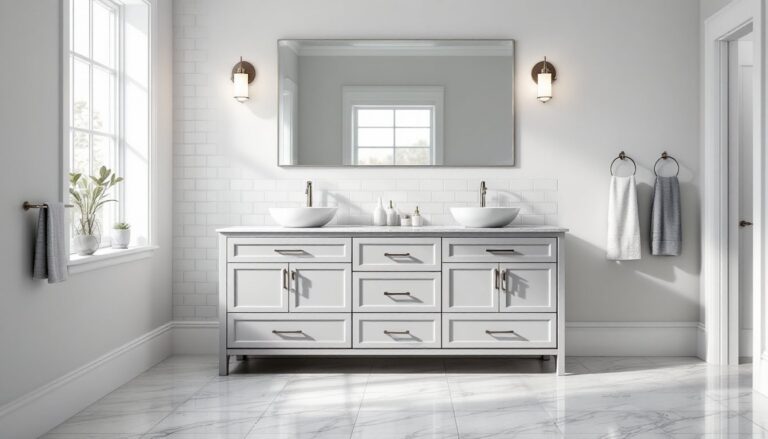
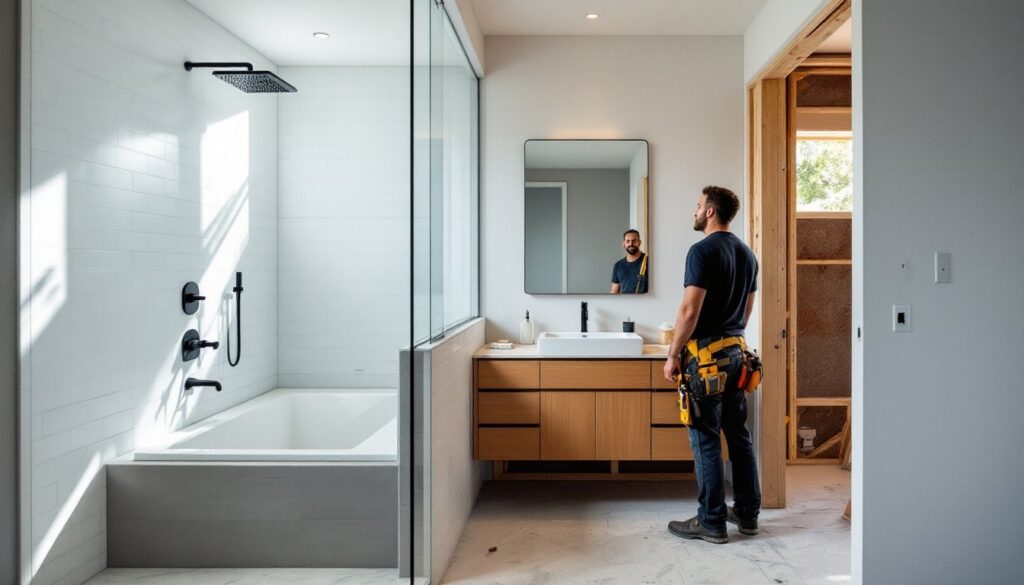
Bay Area homeowners increasingly favor clean lines, neutral palettes, and spa-inspired touches that prioritize calm and functionality over ornament. White or soft gray subway tile paired with warm wood accents, large-format porcelain tile (12×24 inches or bigger), and matte finishes dominate current projects. Fixture finishes trend toward brushed nickel and matte black rather than shiny chrome, creating a sophisticated, understated look.
Storage is treated as design: floating vanities, recessed shelving, and medicine cabinets with integrated lighting solve clutter without visual fussiness. Lighting design matters enormously, layered lighting (ambient, task, accent) combined with dimmable LED fixtures creates flexibility for morning routines and evening relaxation.
Water features are popular: rainfall showerheads, soaking tubs, and steam showers appear in mid-range and premium projects alike. But, these must align with California’s water conservation standards (discussed in the permits section), so dual-flush toilets, efficient fixtures, and greywater-ready plumbing are increasingly standard.
For inspiration, platforms like Houzz and Remodelista showcase Bay Area-specific designs and connect you with local contractors. These resources help you visualize styles, pin ideas, and see how professional designers adapt trends to different space constraints.
Essential Bathroom Features and Upgrades
A functional bathroom combines good ventilation, adequate lighting, efficient plumbing, and durable finishes. Exhaust ventilation (minimum 50 CFM for a small bath, 80 CFM for a larger one) prevents mold and moisture damage, proper ducting to the exterior, not into the attic, is critical. Install a humidity-sensing fan that automatically runs when moisture spikes, or wire it on a timer.
Fixture upgrades make a tangible difference: low-flow toilets (1.28 GPF) and showerheads (2.0 GPM) cut water use without sacrificing pressure, and they’re required in California. Dual-flush toilets give users control over water consumption. For sinks, a pedestal or wall-hung vanity saves visual space in small bathrooms, while a traditional cabinet provides storage at the cost of footprint.
Flooring must handle moisture, porcelain tile is your best bet, though natural stone (slate, limestone) works if sealed properly. Avoid laminate and engineered wood in bathrooms. Grout and sealant quality matter enormously: use epoxy grout rather than cement grout for better water resistance and color durability.
Accessibility features, a walk-in shower with a bench, grab bars near the toilet, and ample clearance for maneuvering, improve safety for all ages and add resale value. These aren’t just for aging-in-place: they’re simply good design. Heated towel racks, underfloor radiant heating, and programmable faucets with temperature memory are popular luxury touches but not essential.
Tiling behind the tub or shower must extend at least 60 inches up the wall (check local code), or use water-resistant drywall (cement board or specialty moisture-resistant panels) plus waterproof membranes. Skimping on waterproofing guarantees expensive water damage within a few years.
Navigating Permits and Building Codes in the Bay Area
Any bathroom remodel involving plumbing, electrical, ventilation, or structural changes requires permits. Some jurisdictions bundle permits into a single application: others require separate plumbing and electrical permits. Processing time ranges from 1–3 weeks after submission, though complex projects may take longer.
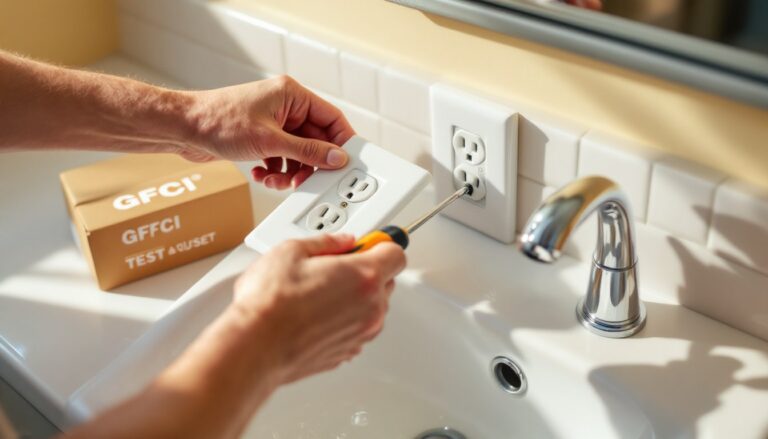
Key Bay Area code considerations: California requires Title 24 energy standards, meaning fixtures must meet efficiency thresholds. Ventilation ducts must terminate outside, not into crawlspaces or attics. Electrical outlets within 6 feet of a sink require GFCI (ground-fault circuit interrupter) protection. Tile work in wet areas (shower walls, tub surrounds) must sit on waterproofed substrates, verified by inspection before drywall or tile goes down.
Structural changes, moving walls, removing load-bearing studs, adding skylights, require engineer stamps and separate structural permits. If your bathroom is in a seismic zone (most of the Bay Area), bracing requirements may apply to cabinets and fixtures.
Approach permits early: get them before starting work. Many contractors include permit costs in estimates, but always confirm. Non-permitted work invites fines, failed home inspections, and insurance complications during claims.
For realistic cost estimates and project planning resources, ImproveNet offers guides specific to remodeling in California, including permit timelines and contractor vetting. Consulting with a local general contractor or designer early, even if you’re managing the project yourself, clarifies permit scope and helps avoid costly rework.