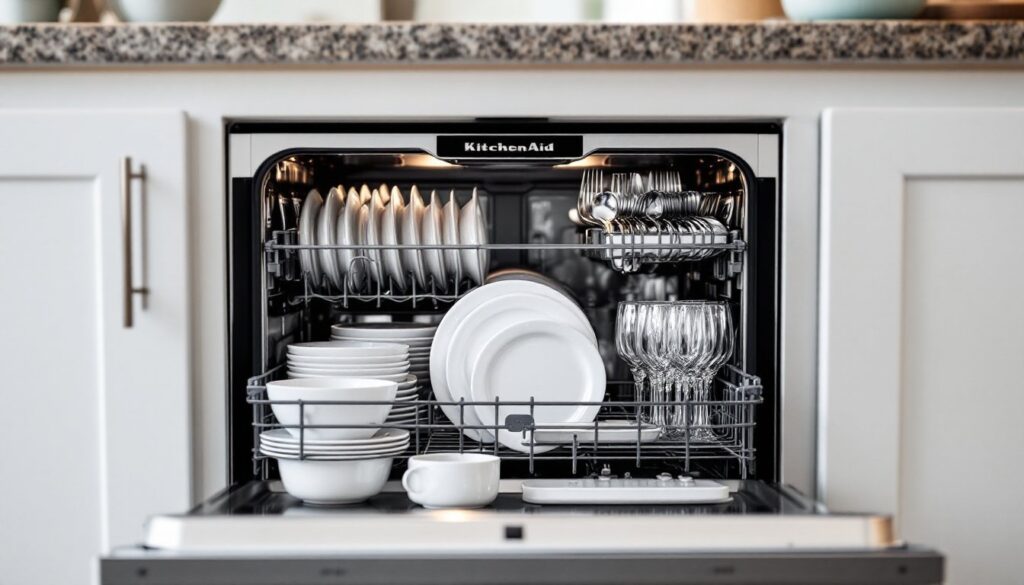

When you’re standing in your kitchen up to your elbows in dishes, a quality dishwasher stops being a luxury and becomes a necessity. KitchenAid has built its reputation on delivering reliable kitchen appliances that handle the heavy lifting without burning out after a few years. Whether you’re renovating your kitchen or replacing an aging unit, finding the best KitchenAid dishwasher means weighing performance, features, and your actual budget. This guide walks you through the standout models available right now, what features actually matter, and how to keep your investment running strong for years to come.
Table of Contents
ToggleKey Takeaways
- KitchenAid dishwashers are engineered for durability with stainless steel tubs, heavy-duty racks, and commercial-grade components that outlast cheaper competitors by years.
- The best KitchenAid dishwasher for your kitchen depends on matching features like noise level (42 decibels or below), capacity (14-16 place settings), and wash system to your actual cooking and entertaining habits.
- Premium models like the KDTM704ESS offer ProScrub™ wash systems and smart-home connectivity, while mid-range options like the KDTE334GPS deliver excellent value with solid performance at $900-$1,100.
- Proper installation and maintenance—including running hot water before cycles, cleaning filters monthly, and checking hose connections annually—are essential to keeping your KitchenAid dishwasher reliable for 10+ years.
- Prioritize stainless steel interiors, quiet operation, and effective wash systems over extra features like Wi-Fi connectivity, as these core components directly impact longevity and cleaning performance.
Why KitchenAid Dishwashers Stand Out
KitchenAid dishwashers aren’t bargain-basement appliances, and they’re not marketed that way. They’re engineered for durability and designed to handle real-world kitchen loads without wimping out.
The brand focuses on three core strengths. First, wash performance, their spray arms and water jets are designed to reach every corner of the rack, even those stubborn baked-on spots. Second, noise levels. Many KitchenAid models operate at 38 decibels or lower, meaning you won’t hear it running during conversation or when someone’s watching TV nearby. Third, build quality. The stainless steel tubs, heavy-duty racks, and commercial-grade components mean these units last longer than entry-level competitors.
KitchenAid also integrates smart-home connectivity on many newer models. You can monitor wash cycles, start or stop the machine remotely, and get alerts when it’s finished, useful if you’re running it late at night or before you leave for work. That said, connectivity is a nice-to-have, not a must-have. A simpler KitchenAid without Wi-Fi will still outlast cheaper models with all the bells and whistles.
Top KitchenAid Dishwasher Models to Consider
Premium Performance Options
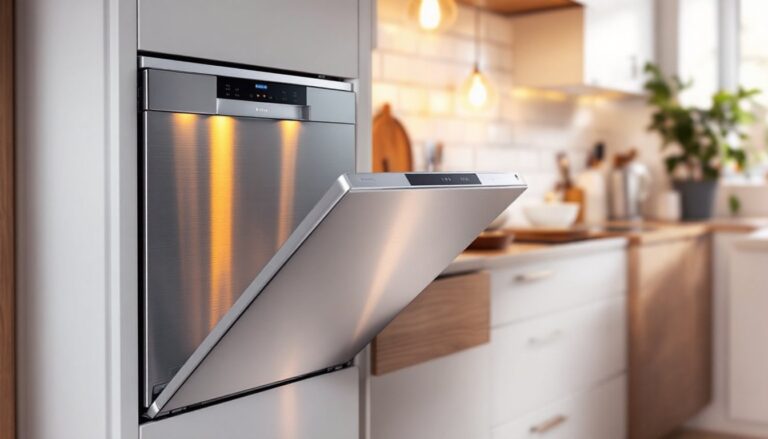
The KitchenAid KDTM704ESS (or similar high-end models in their lineup) sits at the top tier. This stainless steel built-in runs at 39 decibels, has a ProScrub™ wash system with dual spray arms for aggressive cleaning, and includes a soil sensor that adjusts water and cycle length based on load dirtiness. It holds up to 16 place settings and features a top-control design, the buttons are on top of the door rather than the front, giving your kitchen a cleaner look. If you want the top-of-the-line experience and can justify the price tag, this is the one.
The KitchenAid KDPE234GBS offers another premium option with PrintShield™ finish, essentially fingerprint-resistant stainless steel that actually works. It runs quieter than many competitors and includes a delayed-start option for off-peak energy use. These models typically run $1,200–$1,600 before installation.
If you’re eyeing premium performance but your budget has limits, the mid-range KitchenAid KDTM82427 delivers 90% of the performance at roughly 70% of the price. It still handles 16 place settings, runs at 41 decibels, and includes most of the wash features without some of the smart-home integration or ultra-premium finishes.
Budget-Friendly Choices
The KitchenAid KDFE104HPSS is where KitchenAid starts. It’s the no-frills version, you get solid wash performance and reliable mechanics without the extra features. At 49 decibels, it’s not silent, but it’s not loud either. It holds 14 place settings and includes basic cycles. You’re looking at $600–$800, and for that price, you’re getting KitchenAid’s engineering without the premium add-ons. According to recent dishwasher reviews from Good Housekeeping, budget options in this range still outperform many pricier competitors on pure cleaning power.
The KitchenAid KDTE334GPS sits in the sweet spot, mid-range pricing (around $900–$1,100) with solid features like a stainless steel interior, 42-decibel operation, and 15 place settings. It’s the Goldilocks model for most homeowners: not the cheapest, not the most expensive, but genuinely well-equipped.
Key Features and What to Prioritize
Not every feature matters equally. Here’s what actually moves the needle:
Decibel Level (Noise): If your kitchen is open to living space, anything above 45 decibels will be noticeable. If you’re running it while watching TV or during dinner parties, prioritize 42 decibels or below. Quieter units cost more, but the peace matters.
Place Settings Capacity: Most models hold 14–16 place settings. A single place setting is one dinner plate, one bowl, one glass, one set of silverware, and one utensil. If you have a family of four and cook regular dinners, 14–15 is plenty. If you host frequently or have kids with multiple cups daily, go for 16.
Wash System: KitchenAid’s ProScrub™ system uses adjustable spray arms and sensor technology to target tough spots. It genuinely works better than basic spray systems on heavily soiled loads. If your household cooks at home frequently, this is worth the premium.
Control Type: Top controls (buttons on top of the door) look cleaner in modern kitchens. Front controls are easier to see and use. It’s purely aesthetic unless accessibility is a concern.
Smart Features: Wi-Fi and app control are nice if you want to monitor or start cycles remotely. They’re not necessary for washing dishes well, but they do add convenience. Remember that smart home device integration is becoming more seamless across appliances, so it might matter for future compatibility.
Filter Type: Look for stainless steel or self-cleaning filters. Plastic filters degrade faster and harbor odors. It’s a small detail that affects longevity.
Material: Stainless steel interiors and tubs last longer than plastic or powder-coat finishes. If the budget allows, prioritize stainless.
Installation and Maintenance Tips
Installation matters more than people think. A poorly installed dishwasher will leak, rattle, or fail prematurely.
Before You Buy: Measure your cabinet opening width, depth, and height. Standard dishwashers are 24 inches wide, but older homes sometimes have non-standard spaces. Confirm your water supply line location and where the drain hose will run. If plumbing isn’t already installed behind the cabinet, that’s an extra expense and possibly a permit requirement, confirm this with a plumber before ordering.
Installation Considerations: Most dishwashers are delivered ready for installation, but they require electrical connection (typically a 120-volt outlet or hardwired circuit), water supply line connection, and drain line routing. If you’re uncomfortable with any of these, hire a professional. A botched water connection can cause flooding: a bad electrical connection is a fire hazard.
Maintenance, The Real Secret: This is where most homeowners drop the ball. Follow these steps:
-
Run hot water at your kitchen sink before starting the dishwasher. This ensures the first spray arm gets hot water immediately, improving wash performance on the first cycle.
-
Rinse heavily soiled items. Food particles clog the spray arms. A quick rinse prevents buildup.
-
Clean the filter monthly. Most KitchenAid models have a removable filter at the bottom. Pull it out, rinse it under running water, and use an old toothbrush to clear debris. Following essential dishwasher upkeep tips extends the life of your unit significantly.
-
Run a cleaning cycle quarterly. Use a commercial dishwasher cleaner (Affresh or Finish both work). This prevents mineral buildup and odors.
-
Check hose connections annually. Water supply lines can crack over time. If you see swelling, moisture, or discoloration, replace the hose before it fails.
-
Load correctly. Don’t overload. Dishes need water access to get clean. Heavy items go on the bottom rack: delicate glassware on the top. This isn’t fancy, it’s the difference between clean dishes and a cycle you have to re-run.
Conclusion
Picking the best KitchenAid dishwasher comes down to matching features to your actual kitchen habits and budget. If you cook frequently and entertain, a mid-to-premium model with ProScrub™ and quiet operation pays for itself in convenience. If you live alone or have a small household, a solid budget model handles your load without waste. Whichever you choose, install it correctly and maintain it consistently. A well-kept dishwasher will run reliably for 10+ years, making it one of the smarter appliance investments you’ll make.