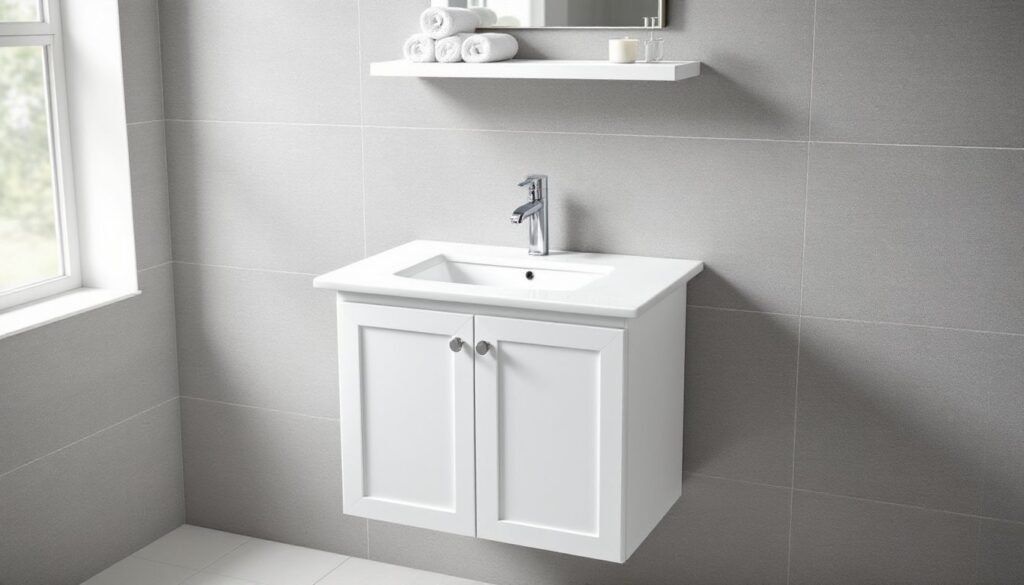

A 26 inch bathroom vanity strikes the sweet spot between functionality and space efficiency, especially in smaller bathrooms, powder rooms, or awkwardly configured layouts. Unlike bulky 48-inch vanities that dominate master baths, a 26 inch vanity delivers ample counter space and storage without eating up precious square footage. Whether you’re renovating a half-bath, updating a guest room, or simply optimizing an awkward corner, understanding what makes a 26 bathroom vanity work can mean the difference between a cramped sink area and a well-proportioned fixture that actually looks intentional. This guide walks you through selecting, comparing, and installing a 26 inch bathroom vanity with sink that fits your space and style.
Table of Contents
ToggleKey Takeaways
- A 26 inch bathroom vanity saves roughly one-third of wall space compared to standard 36-inch models while maintaining full functionality and adequate counter space.
- Choose a vanity with moisture-resistant construction using solid wood or plywood, and pair it with engineered quartz or solid surface countertops for durability and easier maintenance.
- Proper installation requires securing the 26 inch vanity to wall studs, ensuring level placement at 32–34 inches from the floor, and using 100% silicone caulk for water-tight seals.
- Storage in a 26 inch bathroom vanity is limited to 6–8 inches on each side of the sink, so maximize space with pull-out drawers, divided compartments, and vertical shelving above.
- Popular finishes like white, gray, and natural wood tones work well in smaller bathrooms, with darker colors hiding water spots better than lighter finishes.
Why Choose a 26 Inch Vanity for Your Bathroom
A 26 inch vanity occupies roughly one-third less wall space than a standard 36-inch model, yet it doesn’t sacrifice usability. This size works beautifully in bathrooms under 50 square feet, where larger fixtures would feel overwhelming. You get a full sink basin, adequate counter space on both sides, and usually a cabinet underneath for toiletries and cleaning supplies.
Space efficiency isn’t the only win. A 26 inch vanity with sink is easier to fit between studs and plumbing stacks. If you’re working with existing rough-in plumbing, you’ll have more flexibility to position the drain line without major rework. The smaller footprint also means lower cost for materials and less demolition mess during removal. Smaller bathrooms often feel more inviting when proportions are balanced, oversized vanities make tight rooms feel cramped and awkward.
Key Features to Look For When Selecting Your Vanity
When shopping for a 26 bathroom vanity, focus on four core features: sink type, cabinet construction, countertop material, and faucet compatibility.
Sink Type matters more than most people think. Single-bowl sinks are standard at this size and leave room for soap dispensers, toothbrush holders, or a small shelf. Some vanities come as a complete unit, vanity, sink, and faucet together, which simplifies ordering and ensures compatibility. Others are cabinet-only, letting you pair them with an aftermarket vessel sink or integrated counter basin. Decide whether you want a drop-in sink (mounted on top of the counter), an undermount design (cleaner look, easier to clean), or a vessel sink (trendy, but takes up counter space).
Cabinet construction affects longevity and water resistance. Solid wood, plywood, and MDF (medium-density fiberboard) are common. Solid wood and plywood handle moisture better than MDF in humid bathrooms: MDF is budget-friendly but can swell if water seeps behind the finish. Look for interior shelving or pull-out drawers that maximize storage in a small footprint. A 26 inch vanity with sink typically includes one or two cabinet doors below the counter.
Counter Space and Storage Options
Counter space flanking your sink is limited in a 26 inch vanity, usually 6 to 8 inches on each side. That’s enough for a soap pump, toothbrush holder, and a small decorative item, but not a sprawling skincare routine. If storage is tight, choose a vanity with a cabinet that features divided compartments or pull-out trays. Some models include a towel bar mounted to the side or back, saving wall space. Open shelving above or beside the vanity can supplement storage without adding bulk. The key is vertical thinking: go up, not out.
Popular Materials and Finishes
The material you choose affects durability, cost, and maintenance. Bathroom vanities see constant moisture and temperature swings, so material selection isn’t just aesthetic.
Wood finishes range from natural stains to painted surfaces. Vanities finished with polyurethane or water-resistant lacquer handle humidity better than raw or lightly sealed wood. Popular styles include white or cream (timeless, works with any decor), natural oak or walnut (warmer, traditional), and gray or blue-gray (contemporary, hides water spots better than white). The cottage aesthetic, featuring natural wood tones and ornate detailing, remains popular for powder rooms and guest baths. Whatever finish you choose, ensure it’s rated for high-moisture environments: bathroom-grade finishes cost a bit more but resist peeling and discoloration.
Countertop materials deserve equal attention. Laminate is budget-friendly and easy to clean but susceptible to chips and delamination around the sink if water gets underneath. Solid surface (Corian, DuPont) is non-porous, durable, and repairable but pricey. Natural stone, granite, marble, or quartz, is beautiful and hard but porous (marble especially) and requires sealing. Engineered quartz is non-porous, stain-resistant, and lower-maintenance than natural stone, making it a practical middle ground. For a 26 inch vanity, the countertop area is manageable, so upgrading to a nicer material is more feasible budget-wise than on a larger vanity.
Finish color matters for maintenance. White and light finishes show water spots and dust: darker colors hide drips and splashes. Semi-gloss or satin finishes resist fingerprints better than matte. The Cottage Look Abbeville 26-inch vanity exemplifies how traditional wood finishes and natural stone appeal to homeowners seeking classic charm in compact spaces.
Installation Tips for DIY Enthusiasts
Installing a 26 inch bathroom vanity with sink is manageable for someone comfortable with basic plumbing and carpentry, but don’t skip preparation.
Before you start, turn off the water supply at the shut-off valve or main. Have towels and a bucket nearby, there will be some water spillage. If you’re removing an existing vanity, disconnect the drain P-trap (the curved section under the sink) and supply lines, then unbolt the cabinet from the wall studs. Check for rot or mold damage underneath: if you find either, address it before installing the new vanity.
Measuring and positioning are crucial. Mark the vanity height on the wall, standard is 32 to 34 inches from floor to counter (ADA-compliant is 34 inches). Use a level and stud finder to locate wall studs: you’ll bolt the vanity directly to them for stability. Mark the drain and supply line locations. If the rough-in plumbing doesn’t align with your new vanity, you may need to relocate pipes, a job best left to a licensed plumber in most jurisdictions.
Installation steps are straightforward:
- Slide the vanity cabinet into position, ensuring it’s level front to back and side to side.
- Bolt the cabinet to the wall studs using lag bolts or cabinet screws rated for moisture.
- Connect the supply lines (hot and cold) to the faucet inlet, then connect the drain from the sink bowl to the P-trap.
- Caulk around the back edges where the vanity meets the wall and where the backsplash (if present) attaches, using 100% silicone caulk rated for kitchens and baths.
- Allow caulk to cure per manufacturer instructions (usually 24 hours) before using the sink.
Tools you’ll need: adjustable wrench, basin wrench (for tight faucet connections), level, stud finder, drill with bits, screwdriver set, hacksaw (to cut supply lines if needed), and a putty knife for caulking. If you’re uncomfortable with plumbing connections, hire a licensed plumber, botched connections lead to water damage fast. Water damage behind a bathroom vanity can mean mold, soft framing, and expensive repairs. Home renovation cost guides and project planning tools help you estimate whether hiring a pro makes sense for your budget.
Conclusion
A 26 inch bathroom vanity balances practicality with proportion, making it ideal for smaller bathrooms, powder rooms, and tight layouts. Prioritize solid construction, moisture-resistant materials, and realistic storage expectations. Whether you’re tackling installation yourself or calling a plumber, careful planning and attention to finish details ensure your new vanity looks polished and functions well for years. Design resources like Remodelista showcase how thoughtful vanity selection elevates small-space bathrooms. Your compact bathroom deserves a vanity that fits, literally and stylistically.