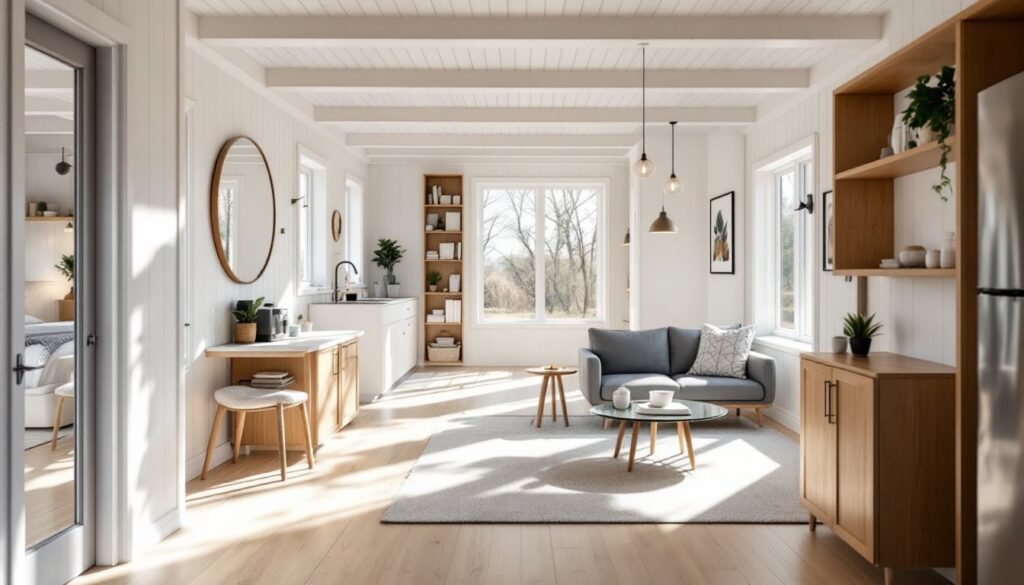

Living well in a 400 square foot tiny house isn’t about sacrificing comfort, it’s about being intentional with every inch. Modern tiny house design has moved far beyond the novelty stage: homeowners and builders now understand that compact living, when done right, eliminates wasted space and often improves daily life. A 400 sq ft tiny house sits at a sweet spot: large enough to include separate sleeping and living zones without feeling like a studio apartment, yet small enough to heat, cool, and maintain affordably. The key is smart layout, functional storage, and design choices that work with the scale rather than against it. This guide covers the practical strategies that separate a cramped, cluttered tiny home from one that genuinely feels spacious and livable.
Table of Contents
ToggleKey Takeaways
- A 400 sq ft tiny house provides enough separation for functional zones like a separate bedroom, kitchen, living area, and bathroom without sacrificing comfort or livability.
- Open-plan living with intentional zone separation using islands, rugs, and flooring transitions makes a 400 sq ft tiny house feel spacious while maintaining privacy for bedrooms and bathrooms.
- Vertical storage solutions—floor-to-ceiling cabinetry, under-bed drawers, and wall-mounted shelves—are essential to prevent clutter and maximize usable floor space.
- Light colors, high ceilings, continuous flooring, and mirrored walls amplify perceived space and reduce the cramped feeling common in smaller homes.
- Multi-purpose rooms and flexible furniture with exposed legs create a more organized, intentional living environment where every square foot serves a clear purpose.
Why 400 Square Feet Works for Modern Living
A 400 sq ft footprint, roughly 20 feet by 20 feet, gives you breathing room that smaller studios simply don’t offer. At this size, a typical layout includes a bedroom (120–150 sq ft), a kitchen and living area (175–200 sq ft), a bathroom (35–50 sq ft), and hallways or transition zones (50–100 sq ft). This breakdown means each functional zone can have its own identity rather than bleeding into everything else.
The appeal isn’t just about size: it’s economics and lifestyle. Utilities run lower, cleaning takes a fraction of the time, and maintenance costs drop significantly. There’s no spare bedroom collecting clutter or forgotten hallways eating up square footage. Every room serves a clear purpose. Owners also report less decision fatigue, fewer rooms to decorate, manage, and maintain. For single occupants, couples, remote workers, or retirees downsizing, this scale works exceptionally well.
Building codes and lender standards also favor this size in many jurisdictions. Most states classify dwellings as “habitable” with a minimum of 320–400 sq ft of living space (IRC standards vary by state), so a 400 sq ft tiny house clears regulatory hurdles more easily than something under 300 sq ft. That matters for financing, insurance, and resale.
Essential Layout Strategies for Tiny Home Functionality
The difference between a cramped and a comfortable 400 sq ft home boils down to how zones connect and how traffic flows through the space. Poor layout forces you to walk through the bedroom to reach the kitchen, or puts the bathroom visible from the living area. Smart layout makes those transitions feel intentional and keeps zones visually distinct.
Open-Plan Living Areas
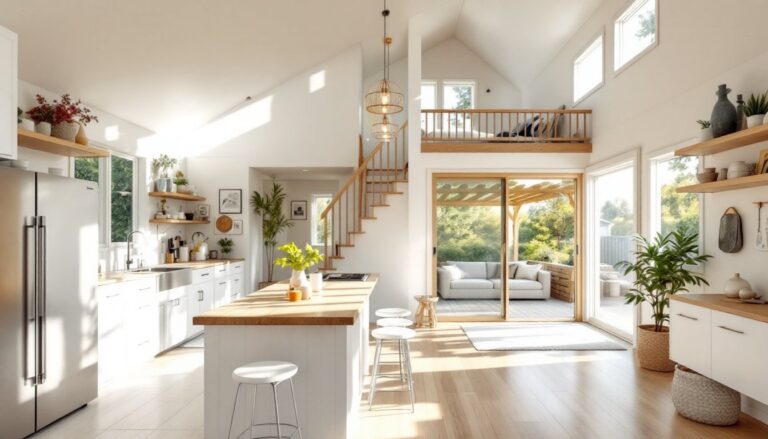
Open-plan doesn’t mean everything is one big room. Instead, it means removing walls between the kitchen, dining, and living zones while keeping the bedroom and bathroom completely separate and private. This approach does several things: it amplifies the perceived size (no visual interruptions by doors), improves natural light distribution, and simplifies mechanical systems (one HVAC return for the common area rather than multiple). Sight lines matter, a visitor shouldn’t be able to see directly from the entrance into the bedroom or bathroom.
The key is using islands, breakfast bars, or low-profile cabinetry to define the kitchen without a full wall. Area rugs and ceiling height changes (dropped soffits, exposed joists) create subtle zone breaks that feel more interesting than solid walls. Flooring transitions help too, say, ceramic tile in the kitchen, hardwood in the living area. Modern apartment living increasingly relies on these spatial techniques to make smaller footprints feel generous and functional.
Multi-Purpose Rooms and Flexible Spaces
The bedroom isn’t just a bedroom: it’s a bedroom, office, and guest room as needed. A murphy bed or platform bed with under-storage frees floor area for a desk or exercise corner. Fold-down tables, Ottoman storage, and wall-mounted shelving mean the same 10×12 room can serve triple duty without feeling like a disaster.
Livable tiny homes also plan for a genuine separation between work and sleep. If you’re working from home, a 3×4 alcove with a desk and a pocket door is worth more than its square footage suggests. It creates a psychological boundary that open-plan kitchens can’t. Even a heavy curtain rod with blackout panels can carve out a focused work zone in a living area when a dedicated room isn’t possible.
Smart Storage Solutions Every Tiny House Needs
Storage is the difference between livable and suffocating. 400 sq ft homes can’t afford wasted wall space or dead corners. Every surface that can hold a shelf, cabinet, or hook should.
Vertical storage is non-negotiable. Floor-to-ceiling cabinetry in the kitchen and living areas maximizes wall real estate without consuming floor footprint. Open shelving works in kitchens if you’re willing to keep things minimal and organized: closed cabinets hide clutter and feel calmer in a compact space. Consider deep closets with organizational systems, not the narrow single-rail closets typical in small apartments, but actual walk-ins or reach-in closets with double rods, shelves, and drawers.
Under-bed storage (drawers or platform frames) captures 20+ cubic feet of otherwise dead space. Kitchen islands with storage, banquette seating with lift-up lids, and stair risers that open as drawers (if there’s a loft or elevated sleeping area) all chip away at clutter. Mudroom cubbies near the entrance intercept shoes, coats, and bags before they scatter through the house.
The kitchen is the storage crux. Pantry depth matters, a 12-inch-deep pantry holds way more than cabinet shelving. Lazy Susans in corner cabinets, pull-out drawer organizers, and magnetic strips for knives save rummaging time. Small kitchen solutions rely heavily on cabinetry efficiency and layout, so pay attention to appliance placement and countertop real estate. A 30-inch apartment-sized fridge works fine: avoid oversized models that eat the room whole.
Interior Design Ideas to Maximize Space
Smart design choices make 400 sq ft feel significantly larger without expensive renovations.
Color and Light: Light, neutral wall colors (soft white, pale gray, warm beige) reflect light and feel open. Dark, moody walls work in bedrooms but can make common areas feel cave-like. Large windows or skylights are worth the investment: they’re mood-boosters and reduce the need for constant artificial lighting. If you’re in an existing structure with small windows, mirror placement opposite them doubles reflected light.
Ceilings: Standard 8-foot ceilings feel cramped in a small footprint. If possible, vault the ceiling in the living area or use exposed joists and beams (a real architectural element, not applied trim). Higher ceilings create a sense of volume that square footage alone can’t deliver. Paint ceilings a light color, white, soft gray, rather than dark.
Flooring: Continuous flooring (one material type throughout the common areas) makes the space feel larger than a patchwork of changes. Light wood-look vinyl or light tile is durable, affordable, and makes open-plan zones feel coherent. Large-format tiles or wide planks read as fewer, bigger pieces, shrinking visual clutter.
Furniture Scale: Oversized sectionals and heavy dressers dominate a 400 sq ft home. Choose furniture with exposed legs (not skirted pieces that block sightlines) and pieces that pull double duty, ottomans with storage, console tables behind couches, nesting tables. Multifunctional pieces beat single-purpose ones every time. Contemporary and sustainable design principles emphasize intentional, efficient pieces that serve multiple needs.
Vertical Elements: Wall-mounted desks, floating shelves, and hanging storage let the floor breathe. Wall art, floating shelves, and tall narrow bookcases draw the eye upward. Every vertical inch is an opportunity to store or display without eating floor space.
Doors: Pocket doors and bifold doors consume far less swing space than hinged doors. In a tiny footprint, that handful of square feet adds up. Removing the door between kitchen and living area (if structural walls allow) opens sightlines further.
Conclusion
Building or renovating a 400 sq ft tiny house is entirely achievable with practical planning and honest design choices. Start by mapping traffic flow, then layer storage into every spare inch, and finish with finishes that amplify light and openness. The result isn’t a compromise, it’s a home that works harder, costs less to run, and often feels more intentional than a sprawling footprint ever could.