
Pests are an unwelcome reality in most homes. Whether it’s ants marching across kitchen counters, cockroaches in dark corners, or spiders claiming the bedroom ceiling, infestations frustrate homeowners and drain wallets fast. Before calling an exterminator, there’s good news: you can tackle many common household pests yourself with affordable, safe solutions. DIY home pest control using natural sprays, preventive measures, and smart identification can eliminate pests without harsh chemicals or expensive service calls. This guide walks through practical strategies that actually work, drawing on proven methods that thousands of homeowners rely on when handling pest problems on their own.
Table of Contents
ToggleKey Takeaways
- Identify the specific pest before treatment to avoid wasting time and product on ineffective methods, since different insects require different control strategies.
- Natural DIY home pest control using vinegar-essential oil sprays and diatomaceous earth are affordable, safe alternatives that work well for common household pests like ants, spiders, and flies.
- Eliminate food, water, and shelter by sealing entry points, fixing leaks, storing food in airtight containers, and decluttering to prevent infestations before they start.
- Natural solutions like borax mixtures work slowly but effectively on colonies over 7-10 days, making them ideal for homeowners prioritizing safety around children and pets.
- Call a professional exterminator if DIY methods fail after 2-3 weeks, pests appear in multiple rooms, or you’re dealing with termites, bed bugs, or wasp nests that require specialized treatment.
Identify Common Household Pests Before Treatment
You can’t eliminate a pest effectively until you know what you’re fighting. Many DIYers spray blindly, wasting time and product. Start by identifying the pest clearly.
Ants are social insects that travel in visible trails, often attracted to food sources. They’re usually harmless but irritating. Cockroaches are larger, dark-brown insects that hide in warm, moist areas like under sinks and behind appliances. Unlike ants, they’re fast-moving and nocturnal. Spiders have eight legs and webs: most are harmless and actually eat other pests. Flies congregate around garbage, drains, and produce. Mosquitoes breed in standing water and are most active at dawn and dusk.
Check the areas where you see activity most. Look for droppings, shed skin, or damage to food packaging. If pests are in your kitchen, they’re likely after food or water. In bathrooms and basements, they seek moisture. Once you’ve identified the pest, you can choose the right control method. Misidentification leads to wasted effort, for instance, treating for ants with methods designed for cockroaches won’t solve the problem.
Natural Pest Control Methods That Actually Work
Natural pest control doesn’t mean ineffective. The best DIY pest control spray options rely on everyday household items that disrupt pest behavior or kill on contact. Unlike chemical pesticides, natural sprays are safer around pets and children, though you should still keep them stored securely and away from food.
Vinegar And Essential Oil Sprays
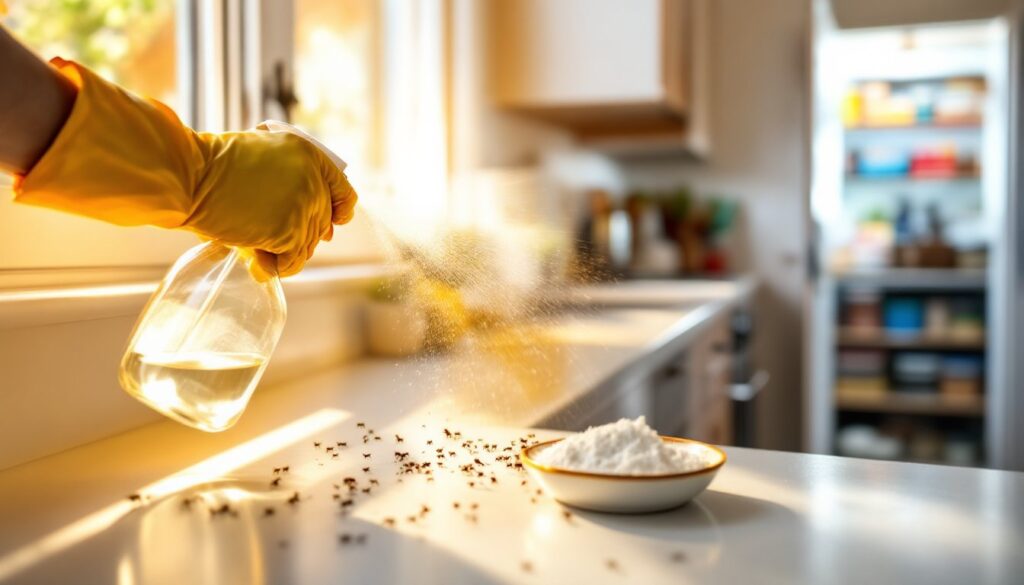
Vinegar is a powerful natural deterrent because its acidic smell repels many insects. Mix equal parts white vinegar and water in a spray bottle. Add 10-15 drops of essential oil (peppermint, eucalyptus, or tea tree are highly effective) for extra potency. Shake well before each use. Spray directly on visible pests or along baseboards, windowsills, and entry points where insects congregate. Reapply every 3-5 days or after cleaning, since vinegar evaporates. This spray works particularly well on ants, spiders, and flies. The scent fades quickly to human noses but irritates insects for hours.
For cockroaches, this spray alone may not be enough, but it’s part of a broader strategy. Spray it in corners, under sinks, and near appliances where you’ve spotted activity. Some homeowners report success spraying around door frames and window seals to discourage entry. Keep in mind that essential oils vary in potency, buying from reputable sources ensures you get effective concentrations.
Diatomaceous Earth And Borax Solutions
Diatomaceous earth (DE) is a powder made from fossilized algae that kills insects by damaging their exoskeletons. Food-grade DE is safe for indoor use around pets and food prep areas if used carefully. Wear a dust mask when applying, inhaling silica particles, even from food-grade DE, can irritate lungs. Sprinkle it lightly along baseboards, under appliances, and in cabinet corners where pests travel. Leave it undisturbed for 24-48 hours for best results, then vacuum it up. Reapply every 2 weeks or after vacuuming.
Borax is a naturally occurring mineral salt that disrupts insect metabolism. Mix three parts borax with one part powdered sugar and a small amount of water to form a paste. Place small amounts in bottle caps or shallow dishes near pest activity, never leave it exposed on counters. Borax is toxic if ingested in large amounts, so keep it away from children and pets. This method works especially well on ants and cockroaches because they carry the mixture back to their nests, affecting the entire colony. Results take 7-10 days as the poison spreads through the population.
Both methods are slower than chemical sprays but cost pennies and avoid indoor air quality concerns that come with pesticides.
Prevention Strategies To Keep Pests Out
Prevention is always cheaper than treatment. Pests need three things: food, water, and shelter. Remove those, and most insects move on.
Seal entry points ruthlessly. Caulk cracks in walls, around baseboards, and where utility lines enter the home. Weatherstrip doors and windows so gaps disappear. Screen vents and check screens for tears. Many homeowners don’t realize that a quarter-inch gap under a door is an open highway for cockroaches and ants.
Eliminate water sources. Fix dripping faucets immediately. Wipe down sinks and bathtubs before bed so no standing water remains. Ensure gutters drain away from the foundation and downspouts don’t pool water near the house. Check under sinks and around water heaters for leaks. Mosquitoes breed in even shallow standing water, so empty bird baths regularly and keep flower pots from collecting rainwater.
Store food properly. Keep pantry items in airtight containers, not loose boxes or bags. Clean up crumbs and spills immediately. Don’t leave pet food sitting out overnight. Take out trash frequently and use sealed bins rather than open cans. Flies, ants, and roaches congregate where food is accessible.
Declutter and reduce hiding spots. Pests love dark, undisturbed places. Move furniture away from walls occasionally. Store boxes off the floor in closets. Keep newspapers and cardboard out of basements and attics. Trim tree branches and bushes away from the house exterior, they’re highways for ants and spiders to reach your siding.
For a deeper jump into preventive strategies, resources like Today’s Homeowner offer comprehensive home maintenance checklists that address pest prevention alongside seasonal upkeep. Combining natural sprays with these preventive steps creates a barrier that stops infestations before they start.
When To Call A Professional Exterminator
DIY pest control works for light infestations and prevention, but some situations demand professional help. If you see pests in multiple rooms or find evidence of extensive nesting (droppings, damage to wood framing, or egg casings), an infestation has likely progressed beyond DIY scope.
Termites, bed bugs, and severe cockroach infestations require professional treatment because they hide in walls, wood, and inaccessible voids. DIY sprays can’t reach them. These pests also damage your home structurally or create health hazards that amateur treatment won’t adequately address. Bed bugs are especially persistent, they hide for months without feeding and reproduce rapidly. A professional uses heat treatments or targeted pesticides that penetrate walls and furniture.
Wasp and hornet nests are dangerous to remove yourself, especially if you’re allergic or if the nest is high or large. Professional applicators have protective equipment and know how to safely destroy nests without provoking the insects.
If you’ve tried DIY methods for 2-3 weeks with no improvement, it’s time to call. Most pest control companies offer inspections that identify problem severity and recommend solutions. While costlier than DIY approaches, professional treatment often includes a guarantee, they’ll retreat if pests return within a set period. For homeowners with young children, pets, or respiratory sensitivities, professionals using lower-toxicity products may be the better choice from the start. When evaluating costs, get multiple quotes and ask what products they use and how long treatment takes. Some companies focus on one-time treatments: others offer ongoing monthly or quarterly plans to prevent reinfestation. Checking Family Handyman and similar resources can help you understand what to expect during professional treatment and how to prepare your home.
Conclusion
DIY home pest control is achievable for most common household pests when you start with proper identification, employ natural solutions like vinegar sprays and diatomaceous earth, and commit to prevention. These approaches cost far less than professional service and keep harmful chemicals out of your home. But, recognize your limits, severe infestations, structural pests, and safety hazards belong in professional hands. By combining smart prevention with targeted treatment, you’ll keep your home pest-free and your wallet intact.